
Connect with us

Latest

You Won’t Believe What Happened In Abuja and Lagos On June 12!

Published

on

You Won’t Believe What Happened In Abuja and Lagos On June 12!

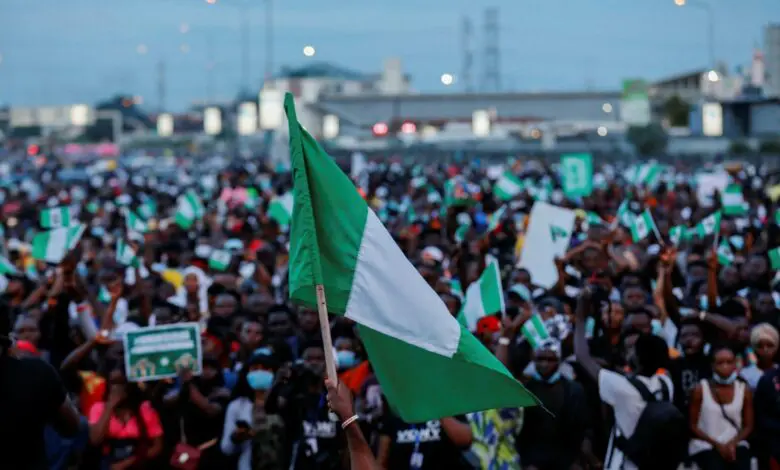
While Nigeria’s political elites gave speeches and hoisted flags to commemorate Democracy Day, something far more telling was happening on the streets. In cities like Abuja and Lagos, ordinary Nigerians, civil society groups, and pro-democracy activists gathered not in celebration, but in protest. What should have been a national reflection on democratic progress became a powerful reminder that for many citizens, democracy still feels like a broken promise.

Democracy Day: A Symbolic Date with Real Frustration

June 12 is more than just a date on Nigeria’s political calendar. It marks the annulled 1993 election, widely believed to be Nigeria’s freest and fairest, which was won by the late Moshood Abiola. The outrage and activism that followed eventually helped usher in civilian rule in 1999. So yes, it is a symbolic day. But this year, it became something else—a mirror reflecting the deep-seated frustrations of a nation in crisis.

Voices from Abuja and Lagos: Protest Amid Heavy Security

In the capital city of Abuja, protest began in the Apo district, despite a heavy security presence. Armed personnel had been strategically placed around the National Assembly, major junctions, and government buildings. Yet citizens still came out, carrying signs that read:

  • “End Hardship Now”

  • “Secure Our Lives”

  • “Democracy for the People”

The energy was raw. It wasn’t chaos—it was coordinated, focused dissent. Meanwhile, in Lagos, the iconic Ikeja Underbridge—famous for past protests—welcomed another wave of determined demonstrators. These were not “miscreants,” as some officials might claim. They were concerned Nigerians who have watched food prices skyrocket, insecurity worsen, and public services collapse.

What Are Nigerians Demanding?

The grievances fueling the protests are not new—but they are more urgent than ever. Inflation has made life unbearable. Insecurity has made even travel between states dangerous. Wages have stagnated while the cost of basic needs—fuel, food, electricity—has soared. For many, the democratic process no longer feels like a system of representation, but rather a structure of exclusion.

The chant “Democracy for the People” wasn’t just rhetoric. It was a demand for inclusion in a system that increasingly feels rigged against the average citizen.

A Legacy of Street Power

Nigerians are no strangers to protests. From the “Occupy Nigeria” demonstrations of 2012 to the globally resonant #EndSARS movement in 2020, the streets have always served as a battleground for civic expression when institutions fail. And as history has shown, these moments of resistance are often where the real democracy happens—not in polished chambers, but under bridges and in public squares.

Government Response: Silence, Spin, or Suppression?

Historically, the state’s default response to peaceful protest has ranged from dismissive silence to brutal suppression. Deploying armed personnel days in advance of Democracy Day activities sends a clear message: dissent is feared, not welcomed. And that’s a troubling sign for a nation that claims to embrace democratic ideals.

So far, no substantial engagement has been made by top government officials regarding the protests. And without dialogue, frustration festers—and resistance grows.

The Real Meaning of Democracy Day

It’s time we re-evaluate what Democracy Day truly represents. Is it merely a day to wear traditional attire, raise the flag, and deliver rehearsed speeches? Or should it be a time to measure how far we’ve come—and how far we’ve yet to go—in achieving governance that reflects the will of the people?

If nothing else, June 12, 2025, served as a sobering reminder: democracy is not a destination. It’s a fight—daily, exhausting, and necessary.

Conclusion: From Symbolism to Substance

What happened this Democracy Day was more than just a protest. It was a statement: that democracy, without economic justice and security, is incomplete. The placards were more honest than the podiums. And the chants, more powerful than any policy paper.

If our leaders are truly listening—and if Democracy Day means anything—they should recognize that the people don’t want just the right to vote. They want the right to live with dignity.

And for that, they will keep showing up—flag or no flag.

Continue Reading
Click to comment

Leave a Reply

Your email address will not be published. Required fields are marked *

Latest

Osun Governorship: APC Committee Promises Transparent, Fair Delegate Congress Across The State

Published

on

Osun Governorship: APC Committee Promises Transparent, Fair Delegate Congress Across The State

The All Progressives Congress (APC) Gubernatorial Delegate Congress Committee has officially arrived in Osun State ahead of the party’s highly anticipated ward-level congresses.

The committee, led by Chairman Sheu Umar Dange, paid a courtesy visit to the state APC leadership on Tuesday, December 9, at the party secretariat along Osogbo-Gbongan Road.

APC Pledges Transparency and Fairness

During the meeting with Osun APC Chairman Tajudeen Lawal and local government party leaders, Dange emphasized the committee’s dedication to fairness and transparency.

“We are ready to conduct delegate congresses in all 332 wards across the state. Our activities will be conducted without bias, and we welcome any complaints to address them fairly,” he said.

Dange urged party stakeholders to see their participation in the exercise as a crucial contribution to strengthening APC’s electoral success in Osun.

Ensuring a Smooth Congress

Secretary of the committee, Chiedu Eluemunoh, explained that all mechanisms for a smooth process were already in place. This includes the deployment of ad-hoc staff to all wards to ensure efficiency.

He clarified that only revalidated members of the APC in Osun will be eligible to vote.

“Being a party member does not automatically qualify you to vote. Only those revalidated will participate in the congress,” Eluemunoh noted.

To address potential grievances, an Appeal Committee has been set up, with sittings scheduled to begin on December 10, to hear complaints from any aggrieved members.

State APC Leadership Pledges Full Support

In response, Osun APC Chairman Tajudeen Lawal welcomed the congress committee and assured them of the full support of the State Working Committee (SWC) to ensure a successful and credible exercise.

“We are committed to providing all the necessary support to guarantee a smooth and transparent congress for our party members,” Lawal stated.

Continue Reading

Crime

Fresh Wave Of Insecurity: Pregnant Woman And Several Residents Abducted In Niger And FCT

Published

on

Continue Reading

Crime

Dalung Breaks Silence: TikTok Chat With Bandit Exposes Deep Secrets Behind The Violence

Published

on

Dalung Breaks Silence: TikTok Chat With Bandit Exposes Deep Secrets Behind The Violence

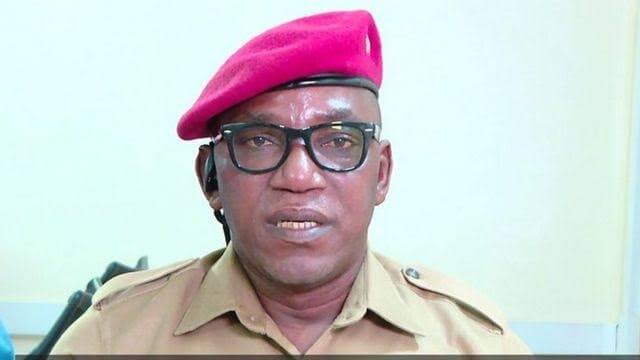
Former Minister of Sports, Solomon Dalung, has opened up about a surprising and thought-provoking conversation he once had with a young man who claimed to be living in the bush as a bandit. Dalung shared the experience during an interview with News Central, explaining how the encounter gave him a deeper understanding of the issues fueling insecurity……CONTINUE READING

According to Dalung, he was browsing TikTok when he came across the young man, who openly described himself as someone living in the forest due to ongoing conflict. Curious, Dalung asked why they engaged in violent activities. The young man responded that they had suffered losses themselves and felt targeted by vigilante groups who, according to him, harmed their people and took their cattle. This, he said, pushed them into retaliation and led them deeper into the bush.

Dalung explained that he challenged the young man, pointing out that innocent people—including other Fulani individuals—were being harmed in the process. The young man replied that, from their viewpoint, only those living in the bush were considered part of their community, while anyone living in town was seen differently. It was a response that, according to Dalung, revealed how distorted perceptions can worsen the cycle of conflict.

Wanting to know if there was any path toward peace, Dalung asked what could help end the violence. The young man shared that they were open to negotiation and discussions that could encourage them to give up their weapons and reintegrate into society. Dalung noted that the confidence with which the young man spoke was unsettling, but it also showed that dialogue could be part of the solution.

Reflecting on the experience, Dalung urged the National Assembly to consider constitutional changes that would allow Nigerians the legal right to defend themselves responsibly, especially in areas affected by insecurity.

His conversation serves as a reminder of how complex the nation’s security challenges are—and how personal engagement, understanding, and strategic dialogue may help chart a way forward.

Continue Reading

Trending