Connect with us

Health

Too Many Pregnancies, Too Many Deaths: Why Nigeria Must Rethink Maternal Health Urgently

Published

on

Too Many Pregnancies, Too Many Deaths: Why Nigeria Must Rethink Maternal Health Urgently

When people talk about motherhood in Nigeria, it’s often with reverence. From cultural expectations to religious values, having many children is still widely considered a blessing. But behind this sentiment is a sobering, often overlooked reality: too many pregnancies are costing women their lives.

Leading gynaecologists across Nigeria are sounding the alarm — and it’s time we all listened.


The Hidden Cost of High Fertility: Lives Lost

Nigeria’s fertility rate is one of the highest in the world — at 5.3 children per woman. That might seem like a badge of cultural pride, but it comes with a tragic cost: a maternal mortality ratio of 512 deaths per 100,000 live births, according to the National Demographic and Health Survey (NDHS) 2018. That’s more than seven times the global target set by the UN Sustainable Development Goals (SDG).

According to Dr. Joseph Akinde, a veteran obstetrician and former chairman of the Society of Gynaecology and Obstetrics of Nigeria (SOGON), excessive bleeding (postpartum haemorrhage) is a leading killer of Nigerian women during childbirth — and it’s far more common among women who have had multiple pregnancies.

“Every pregnancy takes a toll on the woman’s body. The more children she has, the higher her risk of complications — especially bleeding. And once the womb loses its ability to contract effectively, the danger multiplies,” Dr. Akinde warns.


The Role of Chronic Illness: A Deadly Combination

Nigeria’s maternal health crisis is made worse by another factor: the rising number of women with pre-existing health conditions. From diabetes and hypertension to asthma and sickle cell anemia, more women are becoming pregnant while battling life-threatening diseases — a combination that can turn deadly.

“When you mix chronic illness with pregnancy, it’s like pouring petrol on a fire,” says Dr. Akinde. “These women should have a maximum of two or three children — not five or six.”

Unfortunately, many of these women still seek antenatal care at under-resourced Primary Health Centres (PHCs) that lack the expertise to manage high-risk pregnancies. Dr. Stanley Egbogu, a Consultant Obstetrician from Nnamdi Azikiwe Teaching Hospital, insists that these cases belong in specialist or teaching hospitals, not rural clinics.


What’s Really Driving This Crisis?

Beyond biology, Nigeria’s high maternal mortality rate is rooted in deep social and systemic issues:

  • Cultural pressure to have many children, often to “prove” fertility or secure family legacy.

  • Limited access to contraceptives and reproductive health education.

  • Home births still dominate, with about 80% of Nigerian women delivering without skilled medical support.

  • Low healthcare funding, especially for maternal and neonatal care.

It’s a dangerous mix — and the outcome is painfully clear.


Where Do We Go from Here?

This crisis is not irreversible. In fact, it is preventable.

Here’s what needs to change:

🔹 Encourage family planning education: Both men and women need to understand that fewer, well-spaced pregnancies save lives.

🔹 Invest in maternal healthcare infrastructure: From equipping PHCs to training midwives and obstetricians, the system needs more than band-aid solutions.

🔹 Early antenatal registration: Women with chronic conditions should begin care early and be referred to tertiary hospitals, not left in poorly staffed clinics.

🔹 Break the stigma around contraception: Religious and traditional leaders must step up and educate their communities.

🔹 Policy change and implementation: Nigeria must align its maternal health efforts with the SDG goal of reducing maternal deaths to below 70 per 100,000 live births by 2030. Right now, we’re not even close.


Conclusion: When a Blessing Becomes a Risk

Motherhood should be a celebration of life — not a death sentence. But for too many Nigerian women, that’s not the reality. Behind every maternal death is a family broken, a child orphaned, and a future lost.

The message from our gynaecologists is clear: we must rethink our approach to childbirth, family size, and maternal health — now. Not every woman needs to bear six or seven children. Sometimes, one or two healthy births can be more meaningful than many that come with risk and loss.

Because every life matters. Especially the ones who give us life.

Continue Reading
Click to comment

Leave a Reply

Your email address will not be published. Required fields are marked *

Health

Dying to Survive: Patients Abandoned As Drug Prices Skyrocket Despite FG Order

Published

on

Dying to Survive: Patients Abandoned As Drug Prices Skyrocket Despite FG Order

Despite President Bola Tinubu’s ambitious Executive Order in June 2024—designed to eradicate tariffs, excise duties, and VAT on pharmaceutical machinery and raw materials— Nigerians continue to bear the brunt of skyrocketing medicine prices.

The Promise and Its Silence

The Executive Order, announced by Coordinating Minister of Health and Social Welfare, Muhammad Pate, sought to boost local pharmaceutical manufacturing by removing financial barriers. Exemptions applied to key inputs like Active Pharmaceutical Ingredients (APIs), syringes, diagnostic tools and promotional mechanisms including volume guarantees and streamlined regulatory approvals across agencies such as Customs, NAFDAC, SON, and FIRS.NairametricsMondaqBusinessday NG

The Nigeria Customs Service confirmed the policy took effect in March 2025, granting exemptions to manufacturers with valid Tax Identification Numbers.Businessday NG

But for ordinary Nigerians—especially those battling chronic diseases—the order remains a waiver in name only.


Prices Continue to Skyrocket

A May 2025 market survey by The PUNCH reveals devastating increases across essential meds:

  • Insulin: +29%, from ₦14,000 → ₦18,000

  • Glucometer: +41%, ₦20,500 → ₦29,000

  • Metformin: +30%, ₦500 → ₦650

  • Amlodipine: +33%, ₦1,800 → ₦2,400

  • Exforge: +83%, ₦32,800 → ₦60,000

Antimalarial treatments nearly doubled:

  • Coartem: +124%, ₦3,800 → ₦8,500

  • Artesunate injection: +56%, ₦1,600 → ₦2,500

  • Lokmal tablet: +104%, ₦1,200 → ₦2,450

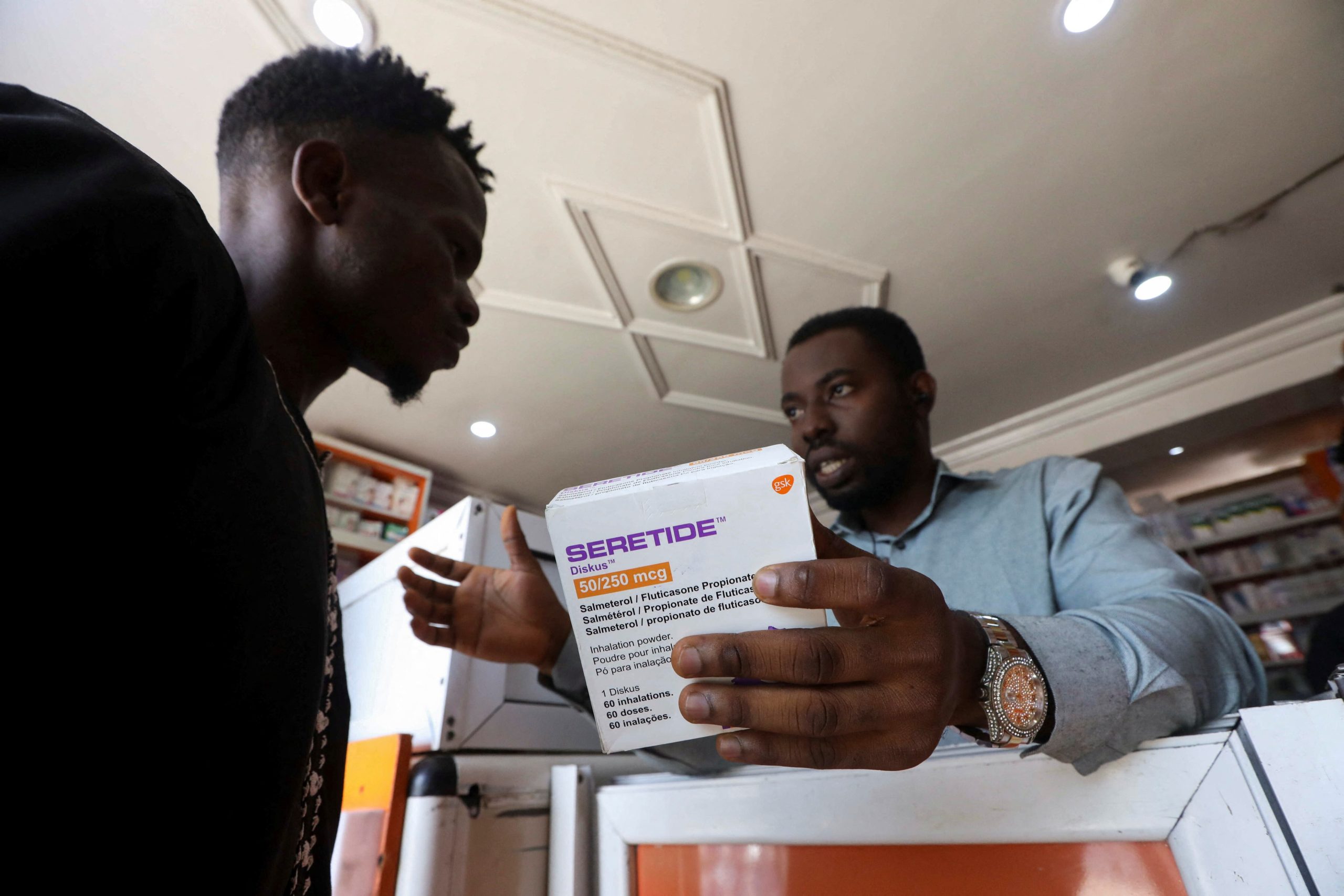
Only Augmentin and Ventolin inhaler fell in price—by 24% and 12%, respectively.Businessday NGPunch


On Paper, Not in Practice

Ambrose Ezeh, President of the Association of Community Pharmacists of Nigeria, bluntly states:

“If the order is not implemented, then the status quo remains… 75% of drugs are imported. FX rates and energy costs remain sky-high.”Punch

Meanwhile, in Abuja, ACPN’s FCT chairman, Olatunji Aloba, confirms partial benefit:

“Prices are dropping only on new imports. Existing circulation maintains old prices. The process is gradual—but competition and implementation enforcement can bring down costs over time.”Punch


Global Lessons: Tariffs Do Not Guarantee Relief

Eliminating tariffs is a proven tool—but not a guaranteed fix.

  • Peru’s 2001 abolition of VAT on oncology and antiretroviral meds yielded minimal retail price changes, largely due to supply-chain markups.PMC

  • A study at PMC shows Nigeria’s long-term local production strategy remains hindered by import dependence and policy gaps.PMC

  • Globally, the Geneva Network found that import tariffs can add up to 80% to drug costs in developing countries. Eliminating them improves access to medicines and APIs.Geneva Network


African and Global Parallels

  • In Sri Lanka, a 1970s national pharma policy featuring generics promotion and a centralized state procurement system slashed drug prices by up to two-thirds.Wikipedia

  • In the U.S., initiatives like external reference pricing aim to lower prescription prices—though implementation remains uneven.Stanford Medicine

  • Under the Affordable Medicines Facility-malaria (AMFm), donor-sponsored co-payments dramatically increased access to antimalarials across several African countries, Nigeria included.Wikipedia


Why Nigeria Still Struggles

Experts identify multiple breakdowns:

  1. Policy Slippage: Executive directives not fully implemented or enforced across the supply chain.

  2. Import Dependency: Over 75% of medications or ingredients are imported—subject to FX fluctuations, energy costs, and multiple markups.Punch

  3. Global Headwinds: Tariff removal doesn’t counterbalance rising costs from inflation or supply bottlenecks.

  4. Healthcare Financing Gaps: Out-of-pocket payment remains dominant; low health insurance coverage (only 3% per Reuters) forces patients to bear full cost.

  5. Policy Inconsistencies: New levies—e.g., Free-on-Board (FOB) import charges—could nullify gains from zero-tariff policies.


Voices from the Ground

  • Prof. Bala Audu (NMA President): Urges full implementation of the order to ease patient burdens.

  • Dr. Tope Osundara (Resident Doctors): Highlights insufficient manufacturing capacity and lack of universal health insurance.

  • Abdulwahab Dauda (Diabetics Association): While insulin costs soared from ₦4,000 → ₦20,000, benefits of the tariff removal remain unrealized.

A Lagos mother recounts treating malaria—with tests and drugs costing over ₦19,000—compared to under ₦10,000 last year. Many now rely on herbs or borrow from friends to survive.


What Needs to Be Done?

  • Enforce the Executive Order across all agencies (Customs, NAFDAC, FIRS, SON) with clear oversight and accountability.

  • Remove counterproductive imposts like FOB charges on essential healthcare supplies.

  • Accelerate local production of generics and ARV drugs, drawing from Sri Lanka’s model.

  • Expand health insurance coverage to reduce out-of-pocket spending—aligned with the Abuja Declaration calling for 15% health budget allocations.

  • Use global blueprints like the WHO’s Medicines Patent Pool to improve access to generic modern medicines.Wikipedia


Conclusion

Tinubu’s 2024 Executive Order carried the potential to lower drug costs and boost local pharma capacity. But as prices climb—literally doubling for drugs like Coartem—Nigerians remain stranded in a crisis without relief.

Comprehensive implementation, transparency, boosted local manufacturing, and equitable healthcare financing are critical—the path to ensuring that life-saving medicines are affordable for all.

Continue Reading

Health

Nigeria’s Silent Health Crisis: Rising Cases Of Sudden “Slump And Die” Deaths Spark Alarming Concerns

Published

on

Nigeria’s Silent Health Crisis: Rising Cases Of Sudden “Slump And Die” Deaths Spark Alarming Concerns

In recent months, Nigeria has witnessed an unsettling rise in sudden deaths popularly described as “slump and die” cases — incidents where seemingly healthy individuals suddenly collapse, often in public, and never recover. While medical experts trace many of these tragedies to underlying but undiagnosed health conditions, the frequency and unpredictability of such cases have left families, communities, and professionals deeply shaken.

Ordinary Nigerians, Extraordinary Losses

Behind the headlines of prominent deaths lies a lesser-told story: countless everyday Nigerians — traders, farmers, artisans — who slump and die without public notice. Unlike politicians, celebrities, or journalists, their deaths rarely make it beyond local whispers.

“If a pepper seller in Ogbete Market slumps and dies, nobody reports that,” one observer lamented. “But if a local government chairman collapses, it makes front-page news.”

The fact, however, remains that the phenomenon is cutting across social classes, professions, and age groups.

Recent High-Profile Cases

On Thursday, August 14, 2025, grief compounded grief when Chief James Aiyepeku, father of late photojournalist Ayobami Aiyepeku, slumped and died in Lagos. Ayobami had been murdered by a close associate just weeks earlier in Kogi State. The elder Aiyepeku, already battling stroke, reportedly succumbed to the emotional trauma of his son’s killing.

Just days before, on August 11, tragedy struck the sporting community when Akin Olowokere, Assistant Coach of Shooting Stars Sports Club (3SC), Ibadan, collapsed during a morning training session. Despite being rushed to hospital, he was confirmed dead on arrival.

Earlier this year, in May 2025, Ogun State Television journalist Bukola Agbakaizu collapsed at work while preparing for her shift. Colleagues said she appeared well before suddenly slumping — efforts to revive her failed.

In Lagos, Bariga Local Government Chairman, Kolade Alabi, narrowly escaped death after slumping at an APC stakeholders’ meeting in May. He was quickly revived and hospitalized, unlike many others.

For hotelier Kunle Akinyele, however, fate was not so kind. In April 2025, he collapsed during his wife’s 60th birthday thanksgiving in Lagos, a moment that was caught on video and shared widely online.

Earlier Cases: From Lawmakers to Celebrities

The phenomenon is not new. In February 2024, a young National Youth Service Corps (NYSC) member from Kaduna died while watching Nigeria’s AFCON semi-final against South Africa in Adamawa. On the same night, Dr. Cairo Ojougboh, a former federal lawmaker and medical doctor, also collapsed and died watching the match in Abuja.

Even celebrated Nigerian icon Onyeka Onwenu reportedly collapsed after a performance in 2024, later dying in hospital. And in October 2023, then Minister of Environment Balarabe Abbas Lawal slumped during his Senate screening — though he survived after emergency intervention.

These recurring cases underscore a disturbing reality: Nigeria may be facing a silent public health epidemic.

Diaspora Doctors Raise Alarm

In response, Nigerian doctors in the diaspora — spanning the United States, United Kingdom, and across Africa and Asia — have raised urgent concerns about the rise in sudden deaths.

Dr. Feyitayo Akorede, a U.S.-based neurosurgeon and member of the Coalition of Medical Practitioners in Diaspora, warned that “astronomical numbers of undiagnosed heart conditions, extreme stress, and chronic diseases” were fueling what he described as an epidemic.

He highlighted conditions such as:

  • Cardiovascular diseases (hypertension, cardiac arrest, cardiomyopathy)

  • Stroke and diabetes

  • Chronic kidney and lung diseases

  • Undiagnosed cancers

  • Substance abuse and stress-induced illnesses

“For many individuals, there are no signs of illness. It is so sudden that there is not enough time to call for help — just collapse and silence,” he said.

The coalition has called on President Bola Tinubu and the National Assembly to urgently allocate contingency funds to strengthen Nigeria’s healthcare system and prevent avoidable deaths.

Experts Weigh In

Cardiovascular Triggers

Professor Tanimola Akande, public health expert at the University of Ilorin, stressed that family history, poor lifestyle habits, and undiagnosed conditions greatly increase risk.

“Young people are not spared,” he warned, pointing to stress, drug abuse, and hypertension as rising threats among Nigerian youths.

Silent Killers: Hypertension and Diabetes

Dr. Innocent Okoawo, a Lagos-based medical practitioner, explained how a combination of hypertension, diabetes, and high cholesterol often leads to tiny blood clots that block circulation. These clots can cause either stroke (in the brain) or heart failure (in the heart).

He lamented that many Nigerians reject medical diagnoses due to cultural or religious beliefs.

“A patient is told he is hypertensive and he replies, ‘I reject it in Jesus’ name,’” Dr. Okoawo said. “That denial costs lives.”

Prevention is Key

Both experts emphasized the importance of routine medical checks, ideally twice a year, even for young people. Employers were urged to provide mandatory health screenings and stress management programs to protect their workforce.

“Hypertension and diabetes may not be preventable, but early detection and treatment can save lives,” Dr. Okoawo concluded.

A Post-COVID Shift?

Medical observers also note that this “slump and die” trend has become more visible in the post-COVID era, raising questions about lingering impacts of the virus, weakened immune systems, and heightened stress levels in a struggling economy.

Public Health Education Urgently Needed

Experts agree that Nigeria must launch nationwide health campaigns emphasizing:

  • Regular blood pressure, sugar, and cholesterol checks.

  • Stress reduction strategies in workplaces.

  • Lifestyle adjustments — less alcohol, smoking, and junk food.

  • Cardiovascular awareness in schools and universities.

  • Access to affordable healthcare for rural and urban communities.


Suggested Media Embeds:

  • Infographic: “Top 5 Risk Factors Behind Sudden Deaths in Nigeria.”

  • Short explainer video: A cardiologist explaining why healthy-looking people collapse.

  • Photo: Nigerian hospital ward (for health context).


Outlook: Can Nigeria Curb the Silent Epidemic?

From Lagos boardrooms to rural markets, Nigeria is confronting a health crisis that often strikes without warning. With doctors warning of a looming epidemic, the responsibility lies on both government and individuals to act.

Regular screenings, honest conversations about health, and stronger investment in healthcare may be the only way to prevent the next tragic “slump and die” headline.

Continue Reading

Health

Bill Gates Applauds Gombe’s Bold Health Reforms: A Model For Nigeria’s Future

Published

on

Bill Gates Applauds Gombe’s Bold Health Reforms: A Model For Nigeria’s Future

When one of the world’s foremost champions of global health pauses to commend a Nigerian state, it’s not just a compliment—it’s a signal. Bill Gates, co-chair of the Gates Foundation, has hailed Gombe State for its “inspiring” reforms in the health sector, describing its approach as innovative, data-driven, and results-oriented.

This recognition, delivered in a personal letter addressed to the state government, underscores how visionary governance at the subnational level can set a standard for national transformation.


Why Bill Gates Is Paying Attention

Bill Gates is no stranger to Nigeria’s health challenges. For decades, his foundation has invested heavily in polio eradication, immunization, and maternal and child health programs across the country. For him to single out Gombe is significant—it suggests that the state is not only implementing reforms but doing so in ways that could become blueprints for others.

“I was impressed by Gombe’s problem-solving mindset and commitment to achieving results,” Gates wrote after a high-level meeting in Abuja, emphasizing stakeholder engagement and strategic governance as key to the state’s success.


The Gombe Innovation That Stood Out

Among several reforms, Gates spotlighted the Human Resource for Health biometric attendance platform—a homegrown digital solution that ensures staff accountability, tracks attendance in real-time, and strengthens decision-making with reliable data.

In a country where “ghost workers” and absenteeism often plague the health sector, this is no small achievement. By tightening workforce management, Gombe is ensuring that healthcare resources—already scarce—are used where they are most needed.

As Gates put it:

“The HRH biometric attendance platform is a compelling example of a state-led initiative to improve data availability for decision-making to optimise your resources.”


A Quiet Revolution in Gombe

Beyond technology, the state’s strategy is anchored in transparency, efficiency, and equitable access. The Gombe Contributory Healthcare Scheme (GoHealth) has expanded insurance coverage for thousands, while targeted reforms have strengthened maternal health, child immunization, and rural access to care.

Ismaila Misilli, Gombe’s DG of Press Affairs, summed it up:

“Through GoHealth and other relevant agencies, the Gombe State Government remains resolute in its collaboration with both local and international stakeholders to expand and sustain progress in the health sector.”

This isn’t just lip service—the reforms are already yielding measurable results in service delivery and coverage.


Why This Matters for Nigeria

Nigeria spends a fraction of what it should on healthcare, with less than 5% of the federal budget often allocated to the sector. Poor infrastructure, limited workforce, and inequitable access have kept millions underserved.

What Gombe is demonstrating is that with political will, smart governance, and local innovation, progress is possible even within resource constraints. And if one state can do it, others can follow.

Bill Gates’ recognition isn’t just about praise—it’s a challenge to Nigeria’s other states: If Gombe can innovate and inspire, why not you?


Final Thoughts

For years, global reports have painted Nigeria’s healthcare system in grim colors. But stories like Gombe’s prove that a different narrative is possible—one where local leadership, backed by technology and accountability, begins to rewrite the future.

And when Bill Gates takes notice, the world does too.

Continue Reading

Trending