Latest
Fuel Tanker Explosion In Oshodi Sparks Panic, Major Disaster Averted

Fuel Tanker Explosion In Oshodi Sparks Panic, Major Disaster Averted
Fuel Tanker Explosion In Oshodi
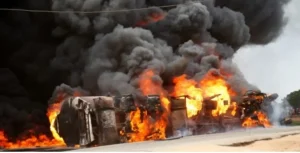

On Sunday, Lagos once again found itself staring down the barrel of tragedy when a fuel tanker explosion erupted at Iyana-Isolo, heading toward Oshodi. The incident, which could easily have turned into another large-scale disaster, has reignited conversations about tanker safety, traffic regulation, and Lagos’ fragile relationship with road transport.
The tanker, reportedly loaded with Premium Motor Spirit (PMS), toppled while in motion and instantly went up in flames. Within seconds, at least four nearby trucks were engulfed in the blaze. For residents, commuters, and business owners in the Oshodi-Isolo corridor, the moment brought sheer panic—many recalling past catastrophes that had claimed lives and property in similar fashion.
Lagos’ Long History with Tanker Explosions
Unfortunately, tanker explosions are not new to Lagosians. From the 2018 Otedola Bridge fire that killed more than 50 people, to multiple smaller-scale infernos scattered across the state, heavy-duty vehicles carrying petroleum products have repeatedly proven to be ticking time bombs on the roads. Poor road infrastructure, reckless driving, and inadequate enforcement of safety standards have only made matters worse.
The Oshodi fire, however, took a different turn. Swift response from the Lagos State Traffic Management Authority (LASTMA) and allied agencies prevented what could have been another tragic headline of mass casualties. Firefighters, police, and safety corps officers moved quickly to contain the inferno, cordon off the area, and redirect traffic before the flames could spread.
Why the Quick Response Mattered
For a city as densely populated as Lagos, minutes—sometimes even seconds—make all the difference. The Oshodi corridor is one of the busiest arteries of the state, linking markets, transport hubs, and residential areas. A full-blown tanker explosion in this zone could have crippled movement for days and endangered thousands of lives. The coordination among emergency agencies this time around suggests that Lagos has learned from past mistakes. But does quick response solve the deeper problem?
The Root Issue: Reckless Driving and Overstressed Roads
LASTMA’s General Manager, Olalekan Bakare-Oki, noted that preliminary findings point to reckless driving as the cause of the accident. It’s a reminder of the wider culture of indiscipline among tanker and trailer drivers in Nigeria. Long hours on the road, poorly maintained vehicles, and little regard for traffic rules often combine to create deadly situations.
The state government has tried to regulate the movement of tankers through time restrictions and designated parking areas, but enforcement remains patchy. As Lagos continues to grow, the risks associated with moving fuel across the city’s congested roads will only increase unless a more sustainable transport system is put in place.
What Needs to Change
While Lagos’ emergency response deserves credit, prevention is the bigger conversation. Here are three key areas that need urgent attention:
-
Driver Training and Regulation: Tanker drivers should undergo stricter certification and routine checks. Reckless driving should attract severe penalties.
-
Infrastructure Development: Bad roads increase the risk of accidents. Expanding and maintaining tanker routes should be a priority.
-
Alternative Transport of Fuel: Nigeria must gradually reduce its dependence on road tankers by reviving pipelines and exploring safer distribution methods.
A Narrow Escape, But For How Long?
This incident should serve as both a relief and a warning. Relief, because no lives were lost despite the scale of the fire. Warning, because Lagos has been lucky one too many times. Without systemic reform, another Otedola Bridge-level tragedy could be lurking just around the corner.
For now, Oshodi residents can breathe easy, but the question remains: how many more close calls will Lagos endure before decisive action is taken?