
Connect with us

Latest

Ebonyi Commissioner Debunks Baby Sale Allegations: What Really Happened

Published

on

Ebonyi Commissioner Debunks Baby Sale Allegations: What Really Happened

In recent days, social media has been awash with shocking claims that a newborn baby in Ebonyi State was sold for a staggering ₦25 million, with allegations pointing fingers at the State Ministry of Women Affairs and even suggesting the detention of the commissioner in charge.

But beyond the viral headlines lies a story that is far more complex—and one that touches on Nigeria’s ongoing struggle to balance child protection, public trust, and accountability in governance.


The Allegation That Sparked Outrage

A 29-year-old woman, Susan Nweze, and her family alleged that her newborn baby had been sold by the Ebonyi State Police Command in collaboration with some officials of the Ministry of Women Affairs. In their petition to the Assistant Inspector-General of Police (AIG) in Enugu, they demanded answers and accountability.

With such an explosive accusation, whispers quickly turned into headlines, and rumors claimed that Ebonyi’s Commissioner for Women Affairs, Mrs. Felicia Nwamkpuma, had been arrested and detained.


The Commissioner Speaks: “I Was Never Arrested”

On Thursday, Commissioner Nwamkpuma addressed the media directly to set the record straight.

According to her, she did honor a police invitation from the Force Zonal Headquarters in Enugu—not as a suspect in detention, but as part of an investigation to present the child in question.

“We took the baby to Enugu on Tuesday as requested. The AIG saw the baby and asked us to return with him. I was never arrested. I have been in my office working.”

She stressed that the baby is safely in the custody of the Ministry of Women Affairs, in line with the Child Rights Act, which empowers state institutions to provide protection for vulnerable children.


Understanding the Child Rights Act

To appreciate the commissioner’s defense, it’s important to understand the framework she’s referring to.

The Child Rights Act (2003) is Nigeria’s most comprehensive law protecting children. It gives ministries of women affairs across states the authority to take custody of children deemed abandoned, vulnerable, or at risk. In such cases:

  • Children can be placed temporarily in government-approved homes.

  • Adoption cannot proceed without legal backing from a court.

  • Ministries act as custodians—not owners—of children pending legal or family resolution.

This context sheds light on why the ministry insists it acted lawfully in keeping the baby under its protection.


The Bigger Picture: Adoption vs. Exploitation

Nigeria has long struggled with public mistrust in the processes around adoption and child welfare. While the law is clear, there have been too many stories of baby factories, illegal adoptions, and corruption within security agencies.

This is why the allegations in Ebonyi struck a nerve—because they echo the fears many Nigerians already harbor about the vulnerability of poor women and children in a system that often fails them.

By clarifying that no sale or adoption took place, the commissioner is not only defending herself but also defending the integrity of her ministry’s role.


Why This Matters

Cases like this go beyond a single family or official. They highlight three pressing issues in Nigeria:

  1. The fragility of trust – Nigerians are quick to believe the worst because institutions have often let them down.

  2. The protection of vulnerable mothers – Susan’s claim that she could not care for her baby financially speaks to a broader crisis of poverty and lack of support for struggling families.

  3. The role of ministries in child welfare – Ministries of Women Affairs must balance compassion, law, and transparency if they are to retain public trust.


Conclusion: A Story Still Unfolding

For now, Commissioner Nwamkpuma insists no baby was sold and no arrest took place. The baby remains in government custody until investigations conclude and the child’s future is legally determined.

But the wider lesson here is clear: Nigeria must do more to create transparent, humane, and supportive systems for vulnerable children and their mothers—so that allegations of “baby sales” no longer find fertile ground in the first place.

Until then, every such case will continue to be a test—not just of one commissioner’s reputation, but of the entire country’s ability to safeguard its most vulnerable citizens.

Continue Reading
Click to comment

Leave a Reply

Your email address will not be published. Required fields are marked *

Latest

Osun Governorship: APC Committee Promises Transparent, Fair Delegate Congress Across The State

Published

on

Osun Governorship: APC Committee Promises Transparent, Fair Delegate Congress Across The State

The All Progressives Congress (APC) Gubernatorial Delegate Congress Committee has officially arrived in Osun State ahead of the party’s highly anticipated ward-level congresses.

The committee, led by Chairman Sheu Umar Dange, paid a courtesy visit to the state APC leadership on Tuesday, December 9, at the party secretariat along Osogbo-Gbongan Road.

APC Pledges Transparency and Fairness

During the meeting with Osun APC Chairman Tajudeen Lawal and local government party leaders, Dange emphasized the committee’s dedication to fairness and transparency.

“We are ready to conduct delegate congresses in all 332 wards across the state. Our activities will be conducted without bias, and we welcome any complaints to address them fairly,” he said.

Dange urged party stakeholders to see their participation in the exercise as a crucial contribution to strengthening APC’s electoral success in Osun.

Ensuring a Smooth Congress

Secretary of the committee, Chiedu Eluemunoh, explained that all mechanisms for a smooth process were already in place. This includes the deployment of ad-hoc staff to all wards to ensure efficiency.

He clarified that only revalidated members of the APC in Osun will be eligible to vote.

“Being a party member does not automatically qualify you to vote. Only those revalidated will participate in the congress,” Eluemunoh noted.

To address potential grievances, an Appeal Committee has been set up, with sittings scheduled to begin on December 10, to hear complaints from any aggrieved members.

State APC Leadership Pledges Full Support

In response, Osun APC Chairman Tajudeen Lawal welcomed the congress committee and assured them of the full support of the State Working Committee (SWC) to ensure a successful and credible exercise.

“We are committed to providing all the necessary support to guarantee a smooth and transparent congress for our party members,” Lawal stated.

Continue Reading

Crime

Fresh Wave Of Insecurity: Pregnant Woman And Several Residents Abducted In Niger And FCT

Published

on

Continue Reading

Crime

Dalung Breaks Silence: TikTok Chat With Bandit Exposes Deep Secrets Behind The Violence

Published

on

Dalung Breaks Silence: TikTok Chat With Bandit Exposes Deep Secrets Behind The Violence

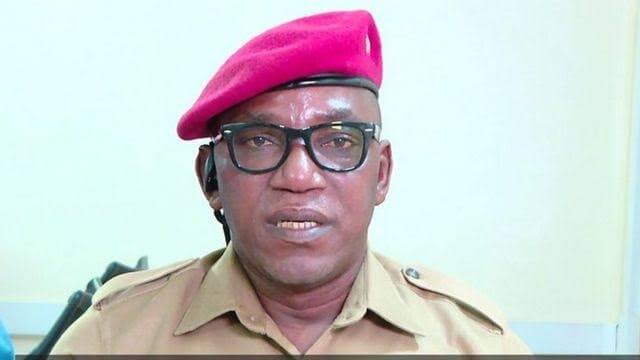
Former Minister of Sports, Solomon Dalung, has opened up about a surprising and thought-provoking conversation he once had with a young man who claimed to be living in the bush as a bandit. Dalung shared the experience during an interview with News Central, explaining how the encounter gave him a deeper understanding of the issues fueling insecurity……CONTINUE READING

According to Dalung, he was browsing TikTok when he came across the young man, who openly described himself as someone living in the forest due to ongoing conflict. Curious, Dalung asked why they engaged in violent activities. The young man responded that they had suffered losses themselves and felt targeted by vigilante groups who, according to him, harmed their people and took their cattle. This, he said, pushed them into retaliation and led them deeper into the bush.

Dalung explained that he challenged the young man, pointing out that innocent people—including other Fulani individuals—were being harmed in the process. The young man replied that, from their viewpoint, only those living in the bush were considered part of their community, while anyone living in town was seen differently. It was a response that, according to Dalung, revealed how distorted perceptions can worsen the cycle of conflict.

Wanting to know if there was any path toward peace, Dalung asked what could help end the violence. The young man shared that they were open to negotiation and discussions that could encourage them to give up their weapons and reintegrate into society. Dalung noted that the confidence with which the young man spoke was unsettling, but it also showed that dialogue could be part of the solution.

Reflecting on the experience, Dalung urged the National Assembly to consider constitutional changes that would allow Nigerians the legal right to defend themselves responsibly, especially in areas affected by insecurity.

His conversation serves as a reminder of how complex the nation’s security challenges are—and how personal engagement, understanding, and strategic dialogue may help chart a way forward.

Continue Reading

Trending