
Lifestyle
Akpabio Fires Warning Shot At Second-Term Governors: “Here Is What He Say”







Latest
Osun Governorship: APC Committee Promises Transparent, Fair Delegate Congress Across The State

Stranded Abroad: Why Thousands Of Nigerians Risk Everything To Escape At Any Cost
Why Thousands Of Nigerians Risk Everything
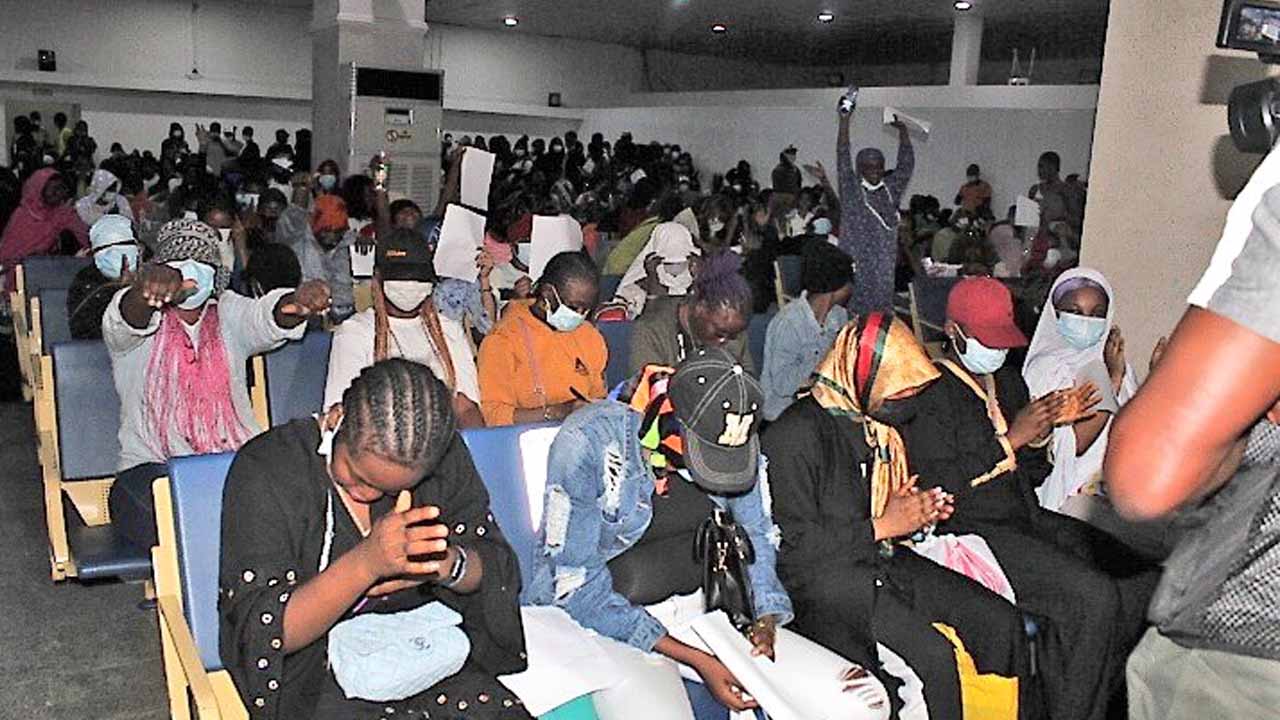
 It’s a heartbreaking headline that Nigerians are becoming all too familiar with: thousands of their countrymen stranded in foreign lands, abandoned dreams cut short by hunger, deception, or failed escape routes. The latest revelation that over 7,000 Nigerians are currently stuck in Libya has reignited national debates on why so many young men and women keep risking everything — including their lives — to flee the country…..CONTINUE READING
At first glance, it’s easy to dismiss these desperate journeys as reckless or ill-advised. After all, why head to a war-torn Libya or attempt the deadly Mediterranean crossing when the dangers are clear? But beneath the surface lies a deeper truth: irregular migration is less about poor decision-making and more about the crushing realities at home.
A Grim Statistic That Speaks Volumes
The revelation came from Abike Dabiri-Erewa, Chairperson of the Nigerians in Diaspora Commission (NiDCOM), during the launch of the International Organisation for Migration’s (IOM) 2025–2027 Strategic Plan for Nigeria in Abuja.
“As we speak, 7,000 Nigerians are stranded in Libya. In 2025, people will still travel through the desert to die,” she warned.
It wasn’t just a number — it was a mirror held up to Nigeria’s fragile socio-economic state. Hunger, unemployment, insecurity, and hopelessness are pushing thousands to leave, even when the odds of survival are terrifyingly slim.
Beyond Libya: A Pattern of Pain
The Libya story isn’t isolated. Just recently, 78 Nigerians trafficked to Côte d’Ivoire were rescued and flown back home. Similar rescue operations happen across Africa almost monthly. For many, Libya isn’t even the final destination — it’s just a stopover on the way to Europe, often cut short by traffickers, militias, or sheer bad luck.
Behind every repatriation flight is the story of dashed dreams: young people lured by promises of “greener pastures” abroad, only to find themselves stuck in detention camps, forced labor, or worse.
Why Nigerians Keep Fleeing
It’s not difficult to understand why. Daily life in Nigeria has grown unbearably harsh:
-
Unemployment & Inflation – The soaring cost of food and essentials has turned survival into a privilege. Many households can’t afford basic meals.
-
Insecurity – From Boko Haram insurgents to kidnappers and bandits, violence has become routine. Families are uprooted, farmlands abandoned, and safety uncertain.
-
Hopelessness – With little faith in government reforms or economic recovery, many youths see migration as their only chance at dignity.
One former Katsina lawmaker even noted that some Nigerians see Libya — despite its own instability — as safer and economically stronger than Nigeria. That grim comparison says it all.
Expert Voices: A Call to Action
Migration experts and civic leaders are nearly unanimous: unless Nigeria fixes its economy and security, the exodus will only grow.
As Dr. Pogu Bitrus of the Middle Belt Forum put it, “What you see is a true reflection of our reality. As long as there is insecurity, people will migrate.”
Similarly, migration advocate Osita Osemene argued that deception also plays a role — traffickers paint false pictures of Europe or neighboring countries, trapping desperate Nigerians in cycles of exploitation. But the root cause, he insists, is simple: fix Nigeria, and migration numbers will drop.
The Bigger Picture
Nigeria’s stranded migrant crisis isn’t just about individuals making “bad choices.” It’s a symptom of a nation in distress. People don’t trek through deserts, risk drowning in the Mediterranean, or accept slave-like conditions abroad because they want adventure. They do it because staying home feels like a death sentence — either from hunger, violence, or hopelessness.
Conclusion: A Nation at a Crossroads
The image of 7,000 Nigerians stranded in Libya should not just spark pity; it should spark policy. For every stranded migrant abroad, there are countless more at home plotting similar journeys.
Nigeria has the resources, talent, and resilience to reverse this trend. But unless leaders urgently address the root problems — hunger, joblessness, insecurity, and corruption — the exodus will continue.
In the end, the choice is stark: fix Nigeria, or watch its people keep running from it.


Osun Governorship: APC Committee Promises Transparent, Fair Delegate Congress Across The State

Fresh Wave Of Insecurity: Pregnant Woman And Several Residents Abducted In Niger And FCT

Dalung Breaks Silence: TikTok Chat With Bandit Exposes Deep Secrets Behind The Violence

VIDEO: Drama As Drone Crashes Near Emir Sanusi During Sallah Speech In Kano

12 Countries Banned, 7 Restricted — Trump’s Controversial New Order Sparks Outrage

BREAKING: London-Bound Plane Explodes In Mid-Air Just Minutes After Takeoff – Hundreds Feared Dead
-
 Latest6 months ago
VIDEO: Drama As Drone Crashes Near Emir Sanusi During Sallah Speech In Kano
-
 latest news6 months ago
12 Countries Banned, 7 Restricted — Trump’s Controversial New Order Sparks Outrage
-
 Latest6 months ago
BREAKING: London-Bound Plane Explodes In Mid-Air Just Minutes After Takeoff – Hundreds Feared Dead
-

 Entertainment6 months ago
Angela Okorie Vs Oil Money: Wikipedia Edits, Pregnancy Scandals & Online Warfare
-

 Entertainment6 months ago
“I Regret Not Signing Simi, Teni” – Don Jazzy Opens Up On Biggest Misses In His Career
-

 latest news6 months ago
BREAKING NEWS: Kylian Mbappé Hospitalized
-

 Latest6 months ago
Silent Slaughter: How Drugs Are Destroying Northern Nigeria’s Youth, DFAM Warns
-

 Latest6 months ago
VIDEO: Chaos At Lagos Airport As Oshiomhole Shuts Down Terminal After Missing Flight