
Connect with us

Latest

Akpabio Fires Back: ‘We Are Not Rubber Stamps!’—Sparks National Debate On Lawmakers’ Loyalty

Published

on

Akpabio Fires Back: ‘We Are Not Rubber Stamps!’—Sparks National Debate On Lawmakers’ Loyalty

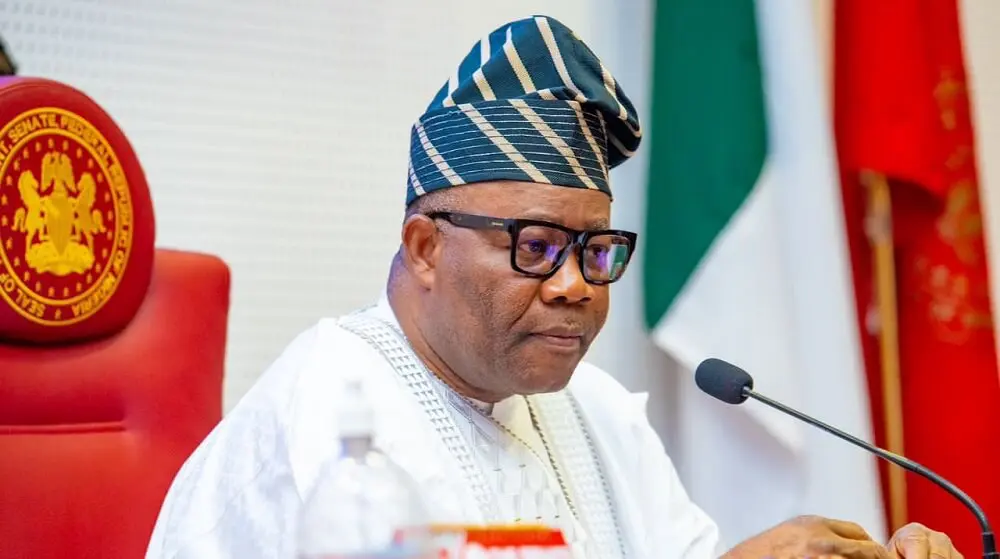
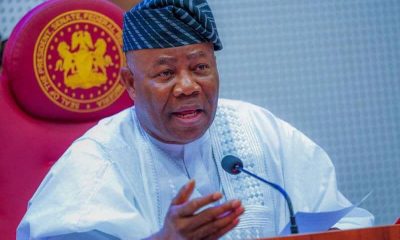
As Nigeria marked its Democracy Day, Senate President Godswill Akpabio used the occasion not just for celebration, but for reflection—and defense. In a passionate address during a joint session of the National Assembly held in honor of President Bola Tinubu, Akpabio pushed back at critics branding the 10th National Assembly as a “rubber stamp.” Instead, he painted a picture of a legislative body dedicated to partnership, progress, and national development.

Background: The Rubber Stamp Critique

The term “rubber stamp” has long haunted Nigeria’s legislative arm, especially when lawmakers appear too aligned with the presidency. Critics often argue that such alignment undermines democratic checks and balances. The 10th Assembly has faced similar accusations, particularly in the face of sweeping reforms and executive-backed policies passed with minimal resistance.

But Akpabio was unequivocal: “Ignore them,” he told his colleagues. “They don’t know why we are here.” His message was clear—unity with the executive is not submission but a strategy for effective governance.

Key Highlights from Akpabio’s Address:

  1. Defense of Legislative Independence:
    Akpabio dismissed the “rubber stamp” label, suggesting critics simply don’t understand the inner workings of parliament. He argued that collaboration with the executive is necessary for national development, not a sign of weakness.

  2. Call for a June 12 Museum:
    In a symbolic gesture of remembrance, he urged President Tinubu to establish a museum dedicated to June 12—Nigeria’s most symbolic pro-democracy date. Such an institution, Akpabio said, would serve as a national archive for the sacrifices made by democracy heroes.

  3. Tribute to Democracy’s Sacrifices:
    He gave a moving tribute to the resilience of the Nigerian people, reflecting on the struggles and sacrifices made since June 12, 1993. “We gather not to mourn injustice, but to honour resilience,” he said. “Let us remember those who bled so we could vote.”

  4. Democracy as a Call to Action:
    Reflecting on this year’s theme—‘26 Years of Democracy: Renewing Our Commitment to National Development’—Akpabio said the slogan is more than ceremonial; it’s a reminder that democracy should be a catalyst for transformative governance.

  5. Praise for Tinubu’s Reforms:
    Akpabio credited the president’s leadership with initiating difficult but necessary reforms. He highlighted efforts such as foreign exchange unification, renewed pushes for local government autonomy, and the establishment of the Nigerian Education Loan Fund.

Analysis: Between Partnership and Independence

Akpabio’s defense raises an important question: Where is the line between strategic collaboration and blind endorsement?

While cooperation between the legislative and executive arms can lead to swift policy implementation, it risks alienating citizens when critical voices are muted. In recent years, many Nigerians have felt excluded from political discourse, especially when decisions that deeply affect the masses—like subsidy removals or forex reforms—are made without widespread consultation.

However, Akpabio seems to argue that unity in government, especially in turbulent economic times, is necessary to maintain stability and move reforms forward. Whether this translates into meaningful outcomes for ordinary Nigerians remains to be seen.

Conclusion: A Day of Reflection, Not Just Celebration

Democracy Day in Nigeria is a loaded date—a reminder of lost opportunities, unkept promises, but also of hope. Senate President Akpabio’s message offers both defense and direction: ignore the noise, honor the past, and commit to progress.

But as citizens struggle with economic hardship and growing insecurity, the real test of this administration and the 10th Assembly is not rhetorical resilience but tangible results. Nigerians want more than speeches—they want change.

And perhaps, in the spirit of June 12, that demand is not just patriotic—it’s democratic.

Continue Reading
Click to comment

Leave a Reply

Your email address will not be published. Required fields are marked *

Latest

Osun Governorship: APC Committee Promises Transparent, Fair Delegate Congress Across The State

Published

on

Osun Governorship: APC Committee Promises Transparent, Fair Delegate Congress Across The State

The All Progressives Congress (APC) Gubernatorial Delegate Congress Committee has officially arrived in Osun State ahead of the party’s highly anticipated ward-level congresses.

The committee, led by Chairman Sheu Umar Dange, paid a courtesy visit to the state APC leadership on Tuesday, December 9, at the party secretariat along Osogbo-Gbongan Road.

APC Pledges Transparency and Fairness

During the meeting with Osun APC Chairman Tajudeen Lawal and local government party leaders, Dange emphasized the committee’s dedication to fairness and transparency.

“We are ready to conduct delegate congresses in all 332 wards across the state. Our activities will be conducted without bias, and we welcome any complaints to address them fairly,” he said.

Dange urged party stakeholders to see their participation in the exercise as a crucial contribution to strengthening APC’s electoral success in Osun.

Ensuring a Smooth Congress

Secretary of the committee, Chiedu Eluemunoh, explained that all mechanisms for a smooth process were already in place. This includes the deployment of ad-hoc staff to all wards to ensure efficiency.

He clarified that only revalidated members of the APC in Osun will be eligible to vote.

“Being a party member does not automatically qualify you to vote. Only those revalidated will participate in the congress,” Eluemunoh noted.

To address potential grievances, an Appeal Committee has been set up, with sittings scheduled to begin on December 10, to hear complaints from any aggrieved members.

State APC Leadership Pledges Full Support

In response, Osun APC Chairman Tajudeen Lawal welcomed the congress committee and assured them of the full support of the State Working Committee (SWC) to ensure a successful and credible exercise.

“We are committed to providing all the necessary support to guarantee a smooth and transparent congress for our party members,” Lawal stated.

Continue Reading

Crime

Fresh Wave Of Insecurity: Pregnant Woman And Several Residents Abducted In Niger And FCT

Published

on

Continue Reading

Crime

Dalung Breaks Silence: TikTok Chat With Bandit Exposes Deep Secrets Behind The Violence

Published

on

Dalung Breaks Silence: TikTok Chat With Bandit Exposes Deep Secrets Behind The Violence

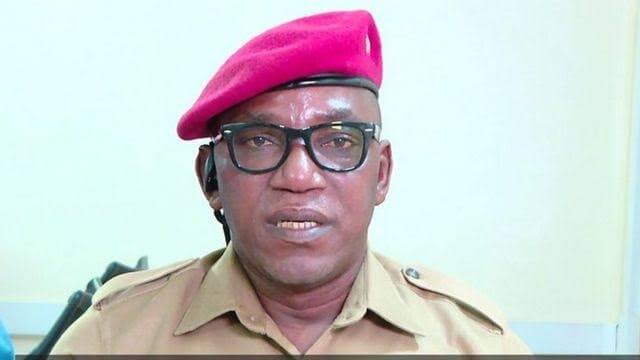
Former Minister of Sports, Solomon Dalung, has opened up about a surprising and thought-provoking conversation he once had with a young man who claimed to be living in the bush as a bandit. Dalung shared the experience during an interview with News Central, explaining how the encounter gave him a deeper understanding of the issues fueling insecurity……CONTINUE READING

According to Dalung, he was browsing TikTok when he came across the young man, who openly described himself as someone living in the forest due to ongoing conflict. Curious, Dalung asked why they engaged in violent activities. The young man responded that they had suffered losses themselves and felt targeted by vigilante groups who, according to him, harmed their people and took their cattle. This, he said, pushed them into retaliation and led them deeper into the bush.

Dalung explained that he challenged the young man, pointing out that innocent people—including other Fulani individuals—were being harmed in the process. The young man replied that, from their viewpoint, only those living in the bush were considered part of their community, while anyone living in town was seen differently. It was a response that, according to Dalung, revealed how distorted perceptions can worsen the cycle of conflict.

Wanting to know if there was any path toward peace, Dalung asked what could help end the violence. The young man shared that they were open to negotiation and discussions that could encourage them to give up their weapons and reintegrate into society. Dalung noted that the confidence with which the young man spoke was unsettling, but it also showed that dialogue could be part of the solution.

Reflecting on the experience, Dalung urged the National Assembly to consider constitutional changes that would allow Nigerians the legal right to defend themselves responsibly, especially in areas affected by insecurity.

His conversation serves as a reminder of how complex the nation’s security challenges are—and how personal engagement, understanding, and strategic dialogue may help chart a way forward.

Continue Reading

Trending