Connect with us

Crime

Ritual Exposed: The Deadly Role Religion And Nollywood Play In Nigeria’s Ritual Murder Crisis

Published

on

Ritual Exposed: The Deadly Role Religion And Nollywood Play In Nigeria’s Ritual Murder CrisisThe recent exposure of ritual killings involving a flamboyant native doctor in Enugu State stunned many Nigerians. While the gruesome nature of the crime sparked outrage, few recognized how deeply embedded cultural beliefs and everyday conversations may be indirectly encouraging such horrors.

Sadly, ritual killings remain a disturbing reality in Nigeria. Victims—men, women, and children—are abducted and often murdered, their bodies mutilated or never recovered. What sustains this evil? A belief system rooted in superstition and amplified by religion, pop culture, and ignorance.

Many Nigerians believe that wealth can be acquired through human sacrifice. Ironically, religious leaders—both Christian and Muslim—spend time denouncing the practice in sermons, but by constantly talking about it, they inadvertently give the idea legitimacy. Some adherents of African Traditional Religion also hold the belief that spiritual rituals involving human life yield power or fortune.

Nollywood, Nigeria’s influential film industry, plays a major role in reinforcing this myth. From its earliest films like Living in Bondage and Circle of Doom, to modern productions, the narrative of “blood money” remains a recurring theme. Actor Kanayo O. Kanayo has become an unofficial symbol of the trope, earning the nickname Nna’anyi Sacrifice for his many ritual roles.

Comedians joke about it. Graduates argue its reality. And across social media, catchphrases like “What you don’t know is bigger than you” glamorize the unknown, further blurring the line between myth and truth.

Meanwhile, real people suffer. Guests vanish from hotels. Children disappear from streets. Loved ones never return. Ritualists, emboldened by public perception and religious justification, continue their crimes. Yet society only vilifies the ones who get caught, ignoring the wider web of complicity.

Yes, it is the government’s job to protect citizens, but it’s impossible for security forces to be everywhere at once. In most cases, police only act after a crime has already been committed—too late to save the victim.

Even in advanced countries like the United States, where security infrastructure is vast and high-tech, violent crime like mass shootings remains common. In 2023 alone, the US recorded 604 mass shootings, killing over 750 and injuring more than 2,400. Despite having the FBI, CIA, and military, the U.S. struggles to contain gun violence—largely due to cultural attitudes and constitutional rights, such as the Second Amendment, which guarantees access to firearms.

The lesson? Safety is more about culture than security. Even the best-trained forces cannot prevent crime when society normalizes or glamorizes destructive behaviors. This applies to Nigeria’s issue with ritual killings. The change must begin with the people, not just the police.

We must reject the idea that killing a human being can produce wealth. Who prints this money? The Central Bank of Nigeria? If a person is sacrificed and wealth magically appears, does it come in legal tender? Will it have serial numbers?

Our ancestors once believed that charms made from human parts could grant supernatural power. But when European colonists arrived, those charms failed to protect anyone. The gods did not fight back. The oracles fell silent. Colonizers looted the shrines and faced no supernatural retribution.

Today, many armed criminals—including kidnappers and terrorists—still seek “spiritual protection” from churches, mosques, or shrines. They consult native doctors, yet end up arrested or killed. Even spiritual leaders now move with security escorts and bulletproof cars.

If miracles do happen, they do not come on-demand like instant coffee, as often marketed by religious figures in Africa.

If you’re a pastor, imam, traditionalist, screenwriter, musician, actor, or comedian—anyone with influence—stop referring to ritual money as “blood money.” Look it up: “blood money” typically refers to payment received for committing murder. The more we use the term, the more we make ritual killings sound real and profitable.

In truth, ritualists make money from other crimes, not sacrifices. If ritual killing actually produced wealth, Nigeria would have the highest number of billionaires in the world. A single human sacrifice would be worth billions—yet this isn’t the case. Real wealth requires work, innovation, and time.

As Bob Marley sang: “Emancipate yourself from mental slavery; none but ourselves can free our minds.”

Education means nothing if someone still believes that human sacrifice produces money. Worse, those who hold such beliefs pose a danger to others, especially when desperate. It’s time Nigerians abandoned these myths, changed the conversation, and chose sanity over superstition.

Continue Reading
Click to comment

Leave a Reply

Your email address will not be published. Required fields are marked *

Crime

Fresh Wave Of Insecurity: Pregnant Woman And Several Residents Abducted In Niger And FCT

Published

on

Continue Reading

Crime

Dalung Breaks Silence: TikTok Chat With Bandit Exposes Deep Secrets Behind The Violence

Published

on

Dalung Breaks Silence: TikTok Chat With Bandit Exposes Deep Secrets Behind The Violence

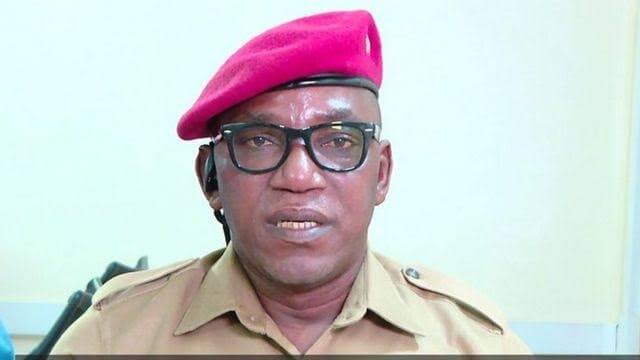
Former Minister of Sports, Solomon Dalung, has opened up about a surprising and thought-provoking conversation he once had with a young man who claimed to be living in the bush as a bandit. Dalung shared the experience during an interview with News Central, explaining how the encounter gave him a deeper understanding of the issues fueling insecurity……CONTINUE READING

According to Dalung, he was browsing TikTok when he came across the young man, who openly described himself as someone living in the forest due to ongoing conflict. Curious, Dalung asked why they engaged in violent activities. The young man responded that they had suffered losses themselves and felt targeted by vigilante groups who, according to him, harmed their people and took their cattle. This, he said, pushed them into retaliation and led them deeper into the bush.

Dalung explained that he challenged the young man, pointing out that innocent people—including other Fulani individuals—were being harmed in the process. The young man replied that, from their viewpoint, only those living in the bush were considered part of their community, while anyone living in town was seen differently. It was a response that, according to Dalung, revealed how distorted perceptions can worsen the cycle of conflict.

Wanting to know if there was any path toward peace, Dalung asked what could help end the violence. The young man shared that they were open to negotiation and discussions that could encourage them to give up their weapons and reintegrate into society. Dalung noted that the confidence with which the young man spoke was unsettling, but it also showed that dialogue could be part of the solution.

Reflecting on the experience, Dalung urged the National Assembly to consider constitutional changes that would allow Nigerians the legal right to defend themselves responsibly, especially in areas affected by insecurity.

His conversation serves as a reminder of how complex the nation’s security challenges are—and how personal engagement, understanding, and strategic dialogue may help chart a way forward.

Continue Reading

Crime

BREAKING: EFCC Drags Ex-Justice Minister Malami—What He Said Will Shock You

Published

on

BREAKING: EFCC Drags Ex-Justice Minister Malami—What He Said Will Shock You

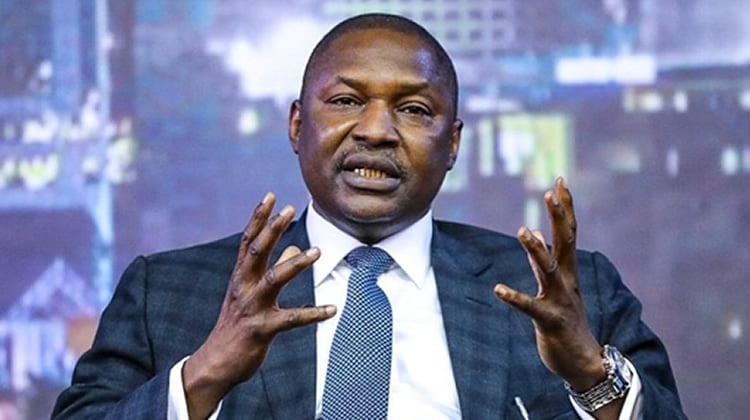
Nigeria’s former Attorney-General of the Federation and Minister of Justice, Abubakar Malami (SAN), has confirmed that the Economic and Financial Crimes Commission (EFCC) has officially summoned him—sending shockwaves across the nation’s political landscape…….CONTINUE READING

Malami, who served from 2015 to 2023 under ex-President Muhammadu Buhari, broke the news himself in a bold announcement on his social media page, declaring that he is ready to face investigators head-on.

The once-powerful justice minister, known for steering some of the country’s most controversial legal battles—from massive asset recovery operations to heated anti-corruption reforms—now finds himself at the centre of a fresh probe.
Throughout his tenure, Malami was linked to numerous high-stakes decisions, arbitration wars, and sensitive financial crime cases that kept him in the public eye.

In recent years, however, scrutiny tightened around issues such as asset declarations and management of recovered funds—allegations he has firmly and repeatedly rejected.

For now, the EFCC remains tight-lipped, refusing to disclose what exactly Malami is being called in for, leaving the public buzzing with speculation.

In a confident statement on Facebook, Malami wrote:

“This is to confirm that I have been invited by the EFCC.
As a law-abiding and patriotic citizen, I reaffirm my commitment to honour the invitation.
I understand the spirit of accountability and transparency in public service—principles I have always advocated.
I am committed to sharing developments with the Nigerian public as they unfold.”

With Malami’s pledge to keep Nigerians updated, all eyes are now fixed on the unfolding drama—a saga that promises to shake up the nation’s justice and political corridors once again.

Continue Reading

Trending