Connect with us

Lifestyle

Akpabio Fires Warning Shot At Second-Term Governors: “Here Is What He Say”

Published

on

Akpabio Fires Warning Shot At Second-Term Governors: “Here Is What He Say”
Published on Saturday, May 31, 2025 at 10:02 PM 

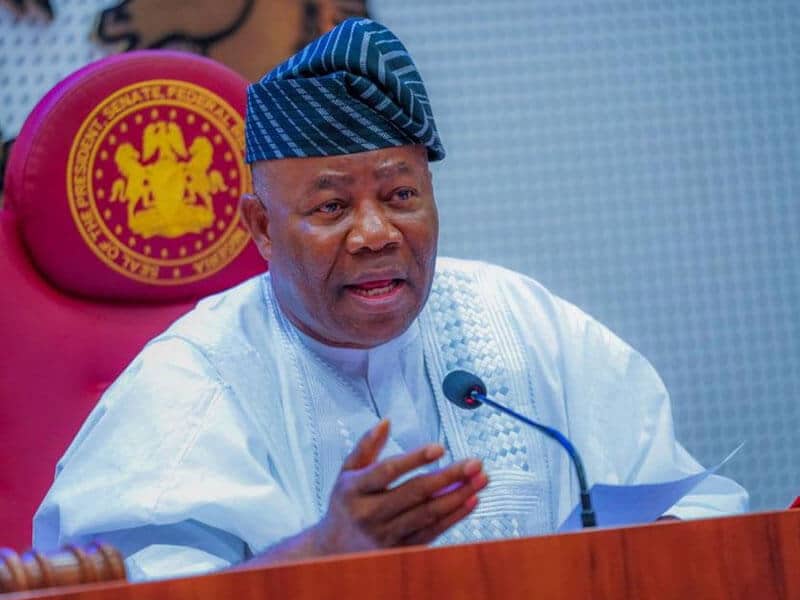
Senate President Godswill Akpabio has issued a stern caution to second-term governors: avoid handing over power to sycophants masquerading as loyalists.

Speaking during the commissioning of the first 30 kilometres of the Lagos-Calabar Coastal Highway in Lekki, Akpabio took aim at the common practice of selecting successors based on blind loyalty rather than merit or vision.

“Don’t give power to anybody who is not prepared,” Akpabio warned. “Don’t deceive yourself thinking, ‘this boy kneels to greet me, his wife rolls on the floor — let me make him governor.’ That’s a recipe for betrayal.”

In a moment heavy with political undertone, he added:

“This is where betrayals normally start. You’ll end up empowering someone unfit for governance.”

Akpabio applauded President Bola Tinubu for what he described as a rare combination of “sight and vision,” urging governors to emulate such foresight when considering their successors.

The event drew heavy political presence, including President Tinubu, Works Minister Dave Umahi, and second-term governors like Hope Uzodimma (Imo), Dapo Abiodun (Ogun), and Babajide Sanwo-Olu (Lagos).

Continue Reading
Click to comment

Leave a Reply

Your email address will not be published. Required fields are marked *

Latest

Osun Governorship: APC Committee Promises Transparent, Fair Delegate Congress Across The State
Published

on

Osun Governorship: APC Committee Promises Transparent, Fair Delegate Congress Across The State
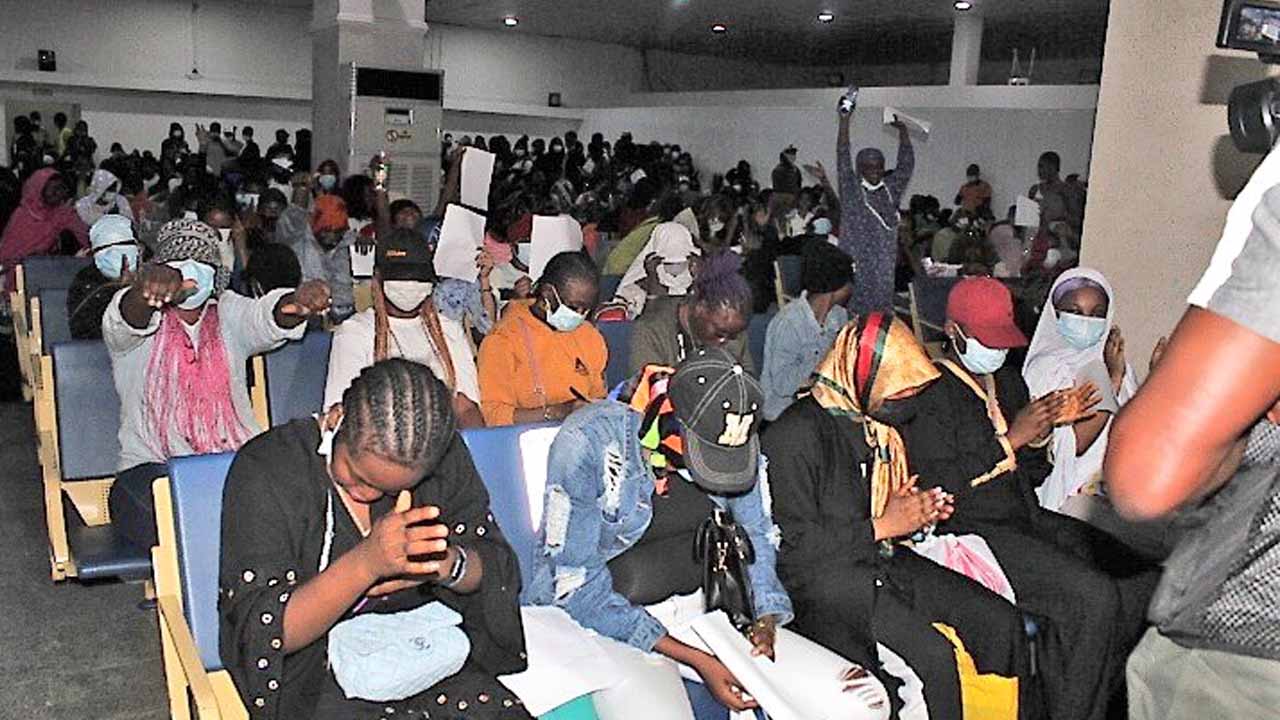
The All Progressives Congress (APC) Gubernatorial Delegate Congress Committee has officially arrived in Osun State ahead of the party’s highly anticipated ward-level congresses.

The committee, led by Chairman Sheu Umar Dange, paid a courtesy visit to the state APC leadership on Tuesday, December 9, at the party secretariat along Osogbo-Gbongan Road.

APC Pledges Transparency and Fairness

During the meeting with Osun APC Chairman Tajudeen Lawal and local government party leaders, Dange emphasized the committee’s dedication to fairness and transparency.

“We are ready to conduct delegate congresses in all 332 wards across the state. Our activities will be conducted without bias, and we welcome any complaints to address them fairly,” he said.

Dange urged party stakeholders to see their participation in the exercise as a crucial contribution to strengthening APC’s electoral success in Osun.

Ensuring a Smooth Congress

Secretary of the committee, Chiedu Eluemunoh, explained that all mechanisms for a smooth process were already in place. This includes the deployment of ad-hoc staff to all wards to ensure efficiency.

He clarified that only revalidated members of the APC in Osun will be eligible to vote.

“Being a party member does not automatically qualify you to vote. Only those revalidated will participate in the congress,” Eluemunoh noted.

To address potential grievances, an Appeal Committee has been set up, with sittings scheduled to begin on December 10, to hear complaints from any aggrieved members.

State APC Leadership Pledges Full Support

In response, Osun APC Chairman Tajudeen Lawal welcomed the congress committee and assured them of the full support of the State Working Committee (SWC) to ensure a successful and credible exercise.

“We are committed to providing all the necessary support to guarantee a smooth and transparent congress for our party members,” Lawal stated.

Continue Reading

Latest

Stranded Abroad: Why Thousands Of Nigerians Risk Everything To Escape At Any Cost

Published

on

Stranded Abroad: Why Thousands Of Nigerians Risk Everything To Escape At Any Cost

Why Thousands Of Nigerians Risk Everything

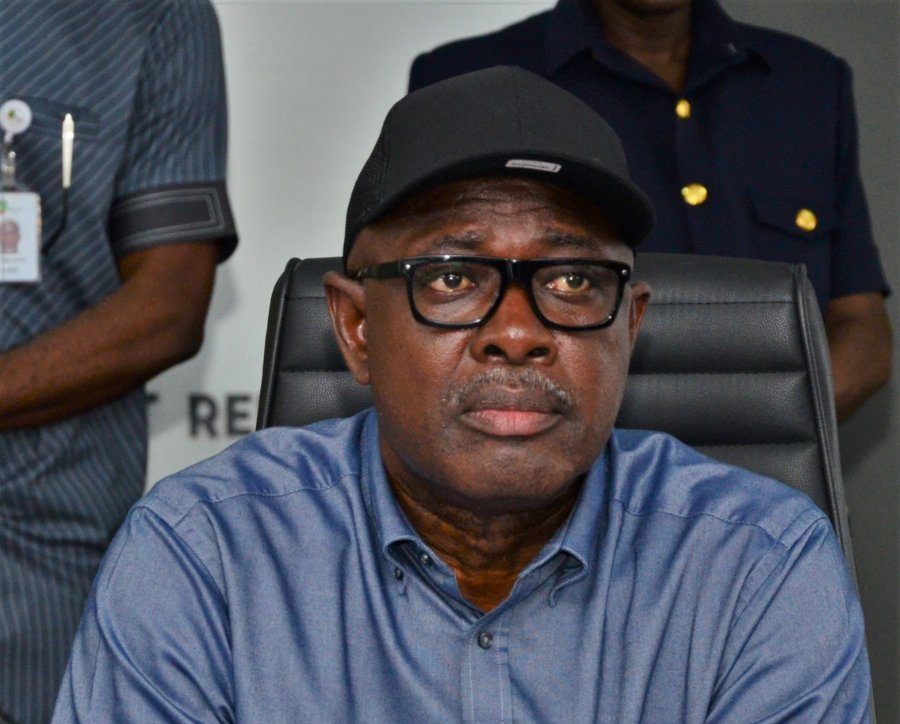
It’s a heartbreaking headline that Nigerians are becoming all too familiar with: thousands of their countrymen stranded in foreign lands, abandoned dreams cut short by hunger, deception, or failed escape routes. The latest revelation that over 7,000 Nigerians are currently stuck in Libya has reignited national debates on why so many young men and women keep risking everything — including their lives — to flee the country…..CONTINUE READING

At first glance, it’s easy to dismiss these desperate journeys as reckless or ill-advised. After all, why head to a war-torn Libya or attempt the deadly Mediterranean crossing when the dangers are clear? But beneath the surface lies a deeper truth: irregular migration is less about poor decision-making and more about the crushing realities at home.


A Grim Statistic That Speaks Volumes

The revelation came from Abike Dabiri-Erewa, Chairperson of the Nigerians in Diaspora Commission (NiDCOM), during the launch of the International Organisation for Migration’s (IOM) 2025–2027 Strategic Plan for Nigeria in Abuja.

“As we speak, 7,000 Nigerians are stranded in Libya. In 2025, people will still travel through the desert to die,” she warned.

It wasn’t just a number — it was a mirror held up to Nigeria’s fragile socio-economic state. Hunger, unemployment, insecurity, and hopelessness are pushing thousands to leave, even when the odds of survival are terrifyingly slim.


Beyond Libya: A Pattern of Pain

The Libya story isn’t isolated. Just recently, 78 Nigerians trafficked to Côte d’Ivoire were rescued and flown back home. Similar rescue operations happen across Africa almost monthly. For many, Libya isn’t even the final destination — it’s just a stopover on the way to Europe, often cut short by traffickers, militias, or sheer bad luck.

Behind every repatriation flight is the story of dashed dreams: young people lured by promises of “greener pastures” abroad, only to find themselves stuck in detention camps, forced labor, or worse.


Why Nigerians Keep Fleeing

It’s not difficult to understand why. Daily life in Nigeria has grown unbearably harsh:

  • Unemployment & Inflation – The soaring cost of food and essentials has turned survival into a privilege. Many households can’t afford basic meals.

  • Insecurity – From Boko Haram insurgents to kidnappers and bandits, violence has become routine. Families are uprooted, farmlands abandoned, and safety uncertain.

  • Hopelessness – With little faith in government reforms or economic recovery, many youths see migration as their only chance at dignity.

One former Katsina lawmaker even noted that some Nigerians see Libya — despite its own instability — as safer and economically stronger than Nigeria. That grim comparison says it all.


Expert Voices: A Call to Action

Migration experts and civic leaders are nearly unanimous: unless Nigeria fixes its economy and security, the exodus will only grow.

As Dr. Pogu Bitrus of the Middle Belt Forum put it, “What you see is a true reflection of our reality. As long as there is insecurity, people will migrate.”

Similarly, migration advocate Osita Osemene argued that deception also plays a role — traffickers paint false pictures of Europe or neighboring countries, trapping desperate Nigerians in cycles of exploitation. But the root cause, he insists, is simple: fix Nigeria, and migration numbers will drop.


The Bigger Picture

Nigeria’s stranded migrant crisis isn’t just about individuals making “bad choices.” It’s a symptom of a nation in distress. People don’t trek through deserts, risk drowning in the Mediterranean, or accept slave-like conditions abroad because they want adventure. They do it because staying home feels like a death sentence — either from hunger, violence, or hopelessness.


Conclusion: A Nation at a Crossroads

The image of 7,000 Nigerians stranded in Libya should not just spark pity; it should spark policy. For every stranded migrant abroad, there are countless more at home plotting similar journeys.

Nigeria has the resources, talent, and resilience to reverse this trend. But unless leaders urgently address the root problems — hunger, joblessness, insecurity, and corruption — the exodus will continue.

In the end, the choice is stark: fix Nigeria, or watch its people keep running from it.
Continue Reading

Lifestyle

US Oil Firm Vaalco Eyes Return To Nigeria As FG Pushes For Energy Sector Revival

Published

on

US Oil Firm Vaalco Eyes Return To Nigeria As FG Pushes For Energy Sector Revival

The Nigerian government has reaffirmed its determination to restore investor confidence in its oil and gas industry, as American energy company Vaalco Energy signaled its intention to return to Nigeria after years of absence.

During a high-level meeting in Abuja with the Minister of State for Petroleum Resources (Oil), Senator Heineken Lokpobiri, the U.S.-based independent oil and gas producer expressed strong interest in re-entering Nigeria’s upstream sector. According to the minister’s spokesperson, Nneamaka Okafor, discussions centered on creating a competitive investment climate and supporting the company’s acquisition of assets in the country.

Government’s Pitch: Global Incentives for a Competitive Market

Lokpobiri used the occasion to reassure international oil firms that the administration of President Bola Ahmed Tinubu is committed to rebuilding trust with foreign investors.

“The government of President Bola Tinubu is particularly interested in creating a better environment for companies that were once here but left for various reasons to return,” Lokpobiri said. “We are prepared to offer incentives comparable to the best available globally.”

This aligns with Tinubu’s broader economic reforms, which include unifying the foreign exchange market, removing costly fuel subsidies, and strengthening Nigeria’s fiscal framework to attract fresh capital inflows.

Why Vaalco Left, and Why It Wants Back In

Vaalco Energy, listed on the New York Stock Exchange, previously operated in Nigeria before exiting amid regulatory uncertainties and stiff competition from larger international oil companies. The company has since maintained a strong presence in Gabon and Equatorial Guinea, where it operates offshore oil blocks and continues to expand production.

Its renewed interest in Nigeria is tied to its planned acquisition of Svenska Petroleum Exploration’s Production Sharing Contract (PSC) interest in Oil Mining Lease (OML) 145, a highly prospective offshore asset with significant reserves potential.

During the Abuja meeting, Vaalco’s Managing Director, Pieter Van der Groen, made it clear that Nigeria remains a strategic investment destination for the company.

“We are here to seek regulatory guidance for acquiring Svenska’s interest in OML 145, but more importantly, to return to Nigeria and invest in a stronger way,” Van der Groen said. “As a New York Stock Exchange-listed company, we have access to funding to develop the assets we acquire. We are not here to sit on them; we are here to produce.”

A Welcome-Back Signal for Other Investors

For Nigeria, Vaalco’s renewed interest represents more than just one company’s return. It is a symbolic signal to the global investment community that Africa’s largest oil producer is once again open for business.

Lokpobiri underscored this point, noting that companies which return after past experiences often become the strongest ambassadors of Nigeria’s business climate.

“It is gratifying for us as a nation when those who have worked here become ambassadors, speaking of how friendly and conducive Nigeria is for business. We are glad to welcome you back,” the minister stated.

Policy Reforms and the Petroleum Industry Act

A major part of Nigeria’s investment pitch lies in the Petroleum Industry Act (PIA), which was signed into law in 2021 after decades of delay. The PIA provides fiscal stability, legal clarity, and a more transparent governance framework — all issues that previously discouraged international oil companies.

Lokpobiri assured Vaalco that the current policy framework guarantees long-term stability for investors.

“Your renewed presence will help us ramp up production and achieve our national energy objectives. Together, we can build a future of shared growth and prosperity,” he said.

Nigeria’s Urgent Need to Boost Production

Nigeria’s oil industry has struggled in recent years due to underinvestment, oil theft, and ageing infrastructure. Production levels have often fallen short of the country’s OPEC quota, weakening foreign reserves and reducing government revenues.

According to data from the Nigerian Upstream Petroleum Regulatory Commission (NUPRC), Nigeria produced an average of 1.4 million barrels per day in mid-2023, well below its 1.8 million bpd OPEC allocation. The Tinubu administration has pledged to restore output to at least 2 million bpd in the short term.

Analysts say fresh investment from companies like Vaalco could help Nigeria:

  • Modernize offshore production assets.

  • Expand gas development projects to support domestic power generation and export ambitions.

  • Strengthen foreign exchange earnings critical for stabilizing the naira.

US-Nigeria Energy Cooperation

Vaalco’s planned return also highlights growing U.S. interest in Africa’s energy security. American firms, once highly active in Nigeria’s oilfields, had reduced operations over the past decade, ceding ground to European and Asian competitors.

A U.S.-based analyst noted that Vaalco’s renewed interest could encourage other mid-tier American independents to reconsider Nigeria. “If Nigeria can demonstrate policy stability and attractive incentives, it could trigger a new wave of U.S. investment in the oil and gas sector,” the expert said.

Local Content and Community Benefits

As part of Nigeria’s petroleum framework, any re-entry by Vaalco will be expected to comply with Nigerian Content laws, which mandate local employment, procurement, and training.

Industry watchers believe that Vaalco’s experience in Africa positions it to work effectively with Nigerian regulators and communities. Its ability to access funding through Wall Street also makes it well-placed to deliver on its production commitments.

Outlook: A Test Case for Tinubu’s Energy Reforms

Ultimately, the Vaalco deal is more than a corporate transaction. It is a litmus test for the Tinubu administration’s pledge to rebuild trust in Nigeria’s oil and gas sector. Success could unlock billions of dollars in fresh investment, while failure could discourage other potential entrants.

For now, the mood is cautiously optimistic. Vaalco appears committed, the government is making overtures, and Nigeria’s petroleum sector — long in need of revival — may finally be regaining momentum.

Continue Reading

Trending