Connect with us

Latest

2027: Why Igbos Won’t Back Any Candidate Without Written Agreement – Chekwas Okorie

Published

on

2027: Why Igbos Won’t Back Any Candidate Without Written Agreement – Chekwas Okorie

As Nigeria steadily approaches the 2027 general elections, the nation’s political climate is already heating up with debates, coalition-building, and speculation about possible contenders. But one issue that has remained consistent in Nigeria’s democratic journey is the question of equitable representation among its diverse ethnic groups. The South East, home to the Igbo people, has long felt marginalized in national leadership, particularly in the presidency.

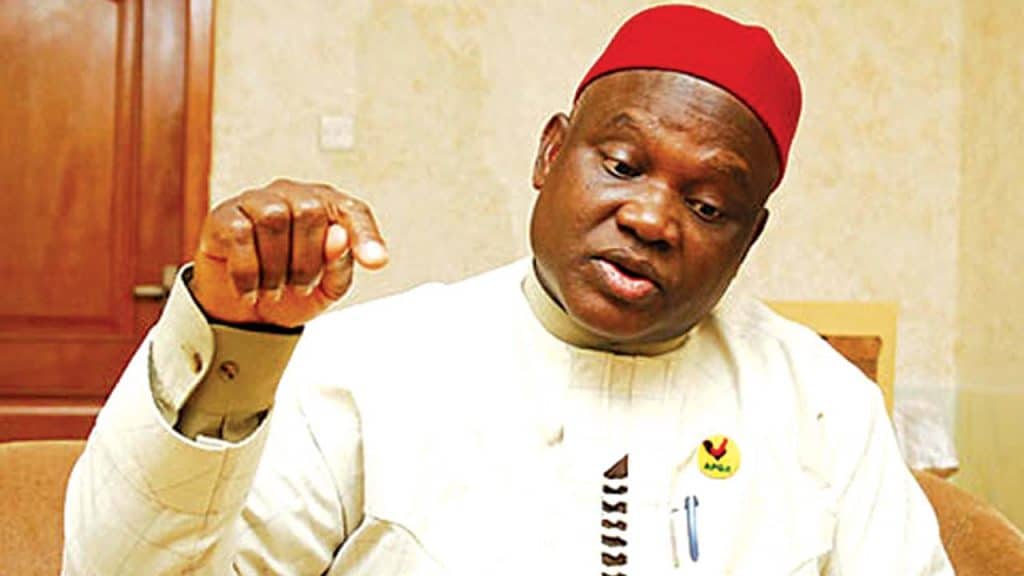
In this context, Chekwas Okorie, former National Chairman of the All Progressives Grand Alliance (APGA), has issued a strong reminder to all presidential hopefuls: before receiving Igbo support, they must sign a binding agreement to guarantee democratic dividends for the region. His comments, delivered at the inauguration of the Igbo Agenda Dialogue (IAD), have reignited discussions about political bargaining power, inclusion, and the need for strategic unity within the South East.


The Igbo Question in Nigerian Politics

The Igbos, one of Nigeria’s three largest ethnic groups, have historically played a critical role in the country’s politics and economy. Despite this, no Igbo politician has held the presidency since Nigeria’s return to democracy in 1999. The closest the region has come was the vice-presidency held by the late Dr. Alex Ekwueme during the Second Republic (1979–1983).

For decades, Igbo leaders and socio-cultural organizations like Ohanaeze Ndigbo Worldwide have demanded greater inclusion at the federal level. The call for restructuring, fairer resource allocation, and recognition of the South East as a key stakeholder has echoed across election cycles. Yet, the presidency has often rotated between the North and the South West, leaving many Igbos disillusioned.

Okorie’s latest statement is therefore more than a political soundbite — it is a deliberate attempt to institutionalize accountability from candidates who often court the region during campaigns, only to neglect it once in office.


The Call for a Memorandum of Understanding (MoU)

Speaking at the IAD event, Okorie emphasized that any candidate seeking Igbo votes must commit in writing to an MoU detailing their plans for the South East.

“Even if our son is the presidential candidate, he will sign the MoU,” Okorie stressed.

This statement underscores two things:

  1. The region will no longer rely on sentiments or promises but on enforceable agreements.

  2. The South East is determined to hold even its own candidates accountable.

Such an approach could reshape Nigeria’s political landscape, moving from verbal pledges to contractual obligations that communities can reference when assessing government performance.


Why Now? The Road to 2027

Although political parties have yet to produce official presidential candidates, conversations about 2027 are already dominating national discourse. With former Vice President Atiku Abubakar, APC loyalists, and emerging opposition forces positioning themselves for the race, the Igbo bloc remains a highly sought-after constituency.

Analysts argue that Nigeria’s winner-takes-all politics has often reduced ethnic voting blocs to bargaining chips. For the Igbos, who are spread across Nigeria and also maintain a significant diaspora population, their unified stance in 2027 could swing the balance of power.


The Igbo Agenda Dialogue (IAD)

The IAD, inaugurated alongside Okorie’s speech, seeks to create a structured platform for articulating Igbo political interests. According to the communique, co-signed by Executive Secretary Jonathan Elendu, the IAD is not in competition with Ohanaeze Ndigbo but complements it by focusing on political strategy.

The group has also proposed a comprehensive Igbo Political Summit to be held in Enugu, where stakeholders will agree on a binding political agenda. This could be a turning point, as past elections have often been marred by internal divisions within the South East, weakening its bargaining power.


Regional and Global Reactions

Okorie’s position resonates not only within Nigeria but also among the Igbo diaspora in Europe, the United States, and across Africa. Many Igbo communities abroad have been vocal about the need for fair representation and inclusive governance in Nigeria.

International observers have long noted Nigeria’s ethnic imbalance in political leadership. A report by the Council on Foreign Relations (CFR) in 2023 highlighted how regional marginalization fuels discontent and sometimes drives separatist sentiments. Similarly, Amnesty International has consistently called for more attention to the political grievances of minority and marginalized groups in Nigeria.

By demanding a formal MoU, Igbo leaders are aligning with global democratic norms where campaign promises are tied to accountability frameworks.


Challenges Ahead

While the idea of a binding MoU is commendable, questions remain about enforcement. Nigeria lacks a legal framework compelling politicians to honor such agreements once in office. Critics may argue that unless backed by constitutional reforms or institutional checks, these MoUs could end up as symbolic gestures.

Furthermore, achieving a unified Igbo stance has historically been difficult. Internal political rivalries, cross-party affiliations, and the personal ambitions of leaders have often diluted collective bargaining power. For the MoU strategy to succeed, unity within the region is crucial.


Conclusion

Chekwas Okorie’s call is more than a political declaration; it is a rallying cry for accountability, inclusion, and strategic foresight as Nigeria approaches a pivotal election in 2027. For the Igbos, this may well be the beginning of a new political culture where support is conditional, documented, and enforceable.

If taken seriously, this model could serve as an example for other marginalized groups in Africa and beyond, redefining the relationship between politicians and the people they seek to lead.

As the race to 2027 begins, the big question remains: will Nigeria’s presidential hopefuls be willing to put pen to paper and guarantee the South East its long-demanded share of the national cake?

Continue Reading
Click to comment

Leave a Reply

Your email address will not be published. Required fields are marked *

Crime

Fresh Wave Of Insecurity: Pregnant Woman And Several Residents Abducted In Niger And FCT

Published

on

Continue Reading

Crime

Dalung Breaks Silence: TikTok Chat With Bandit Exposes Deep Secrets Behind The Violence

Published

on

Dalung Breaks Silence: TikTok Chat With Bandit Exposes Deep Secrets Behind The Violence

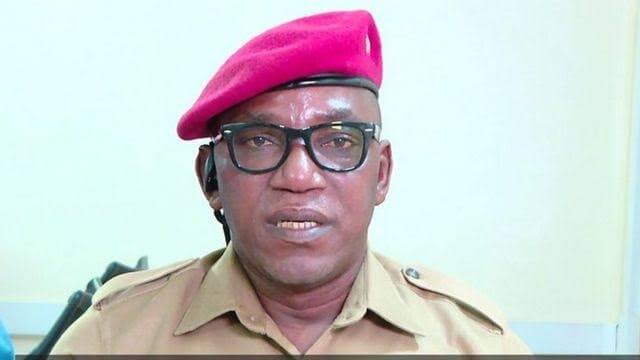
Former Minister of Sports, Solomon Dalung, has opened up about a surprising and thought-provoking conversation he once had with a young man who claimed to be living in the bush as a bandit. Dalung shared the experience during an interview with News Central, explaining how the encounter gave him a deeper understanding of the issues fueling insecurity……CONTINUE READING

According to Dalung, he was browsing TikTok when he came across the young man, who openly described himself as someone living in the forest due to ongoing conflict. Curious, Dalung asked why they engaged in violent activities. The young man responded that they had suffered losses themselves and felt targeted by vigilante groups who, according to him, harmed their people and took their cattle. This, he said, pushed them into retaliation and led them deeper into the bush.

Dalung explained that he challenged the young man, pointing out that innocent people—including other Fulani individuals—were being harmed in the process. The young man replied that, from their viewpoint, only those living in the bush were considered part of their community, while anyone living in town was seen differently. It was a response that, according to Dalung, revealed how distorted perceptions can worsen the cycle of conflict.

Wanting to know if there was any path toward peace, Dalung asked what could help end the violence. The young man shared that they were open to negotiation and discussions that could encourage them to give up their weapons and reintegrate into society. Dalung noted that the confidence with which the young man spoke was unsettling, but it also showed that dialogue could be part of the solution.

Reflecting on the experience, Dalung urged the National Assembly to consider constitutional changes that would allow Nigerians the legal right to defend themselves responsibly, especially in areas affected by insecurity.

His conversation serves as a reminder of how complex the nation’s security challenges are—and how personal engagement, understanding, and strategic dialogue may help chart a way forward.

Continue Reading

Latest

Oyo State: Millions Lost As Fire Damages Two Residential Buildings In Ibadan And Kishi

Published

on

Oyo State: Millions Lost As Fire Damages Two Residential Buildings In Ibadan And Kishi

Oyo State

Two separate fire incidents have destroyed properties worth millions of naira in Oyo State, affecting residential buildings in both Ibadan and Kishi on Wednesday night…..CONTINUE READING

The first incident occurred at 17 Prestige Estate, Joop Bad Hour Crescent, Onirele, Ibadan, where the living room of a four-bedroom duplex was severely damaged. Although the fire consumed valuable household items, no injuries or loss of life were recorded.

In Kishi town, a second fire broke out at 1 Alhaji Rosco Street, Ajangba Area, where the generator room of another four-bedroom residence was engulfed. The blaze also affected property worth millions of naira before firefighters arrived.

Chairman of the Oyo State Fire Service, Hon. Maroof Akinwande, confirmed both incidents on Friday. He praised the swift response of fire officers, noting that their timely intervention prevented the flames from spreading to other parts of the buildings.

According to Akinwande:

“When we arrived, the living room of the duplex was already on fire. Our officers launched a prompt and coordinated attack, preventing the fire from spreading further. No casualty was recorded, and properties worth millions were saved. The cause of the incident is still under investigation.”

He added that the Kishi incident was also contained quickly:

“Upon arrival, we discovered the generator room was completely engulfed. Our firemen acted immediately and stopped the fire from reaching the main building. It was fully extinguished in record time.”

The Oyo State Fire Service has urged residents to prioritize safety measures, maintain electrical and generator installations, and report emergencies promptly to reduce losses.

Continue Reading

Trending