Connect with us

Crime

What To Do When a Blackmailer Threatens To Leak Your Nudes: A Survival Guide For The Digital Age

Published

on

What To Do When a Blackmailer Threatens To Leak Your Nudes: A Survival Guide For The Digital Age

In today’s hyper-connected world, our lives are increasingly lived online. From WhatsApp chats to Instagram selfies, the digital footprint we leave behind is immense. But with this unprecedented connectivity comes a darker side — one that many aren’t prepared for until it’s too late.

One of the most frightening threats to emerge in recent years is sextortion — a form of blackmail where a person is coerced into paying money or providing more explicit content under the threat of having their private images or videos exposed. It’s a terrifying experience that preys on fear, shame, and the desire to protect one’s reputation. And unfortunately, it’s on the rise — not just globally, but here in Nigeria too.

Whether the images were shared willingly during a trusted moment or were taken without your knowledge, no one deserves to be blackmailed. And most importantly: you are not alone.

Understanding the Crime: Sextortion Isn’t Just a Private Shame — It’s a Criminal Offense

In Nigeria, sextortion is punishable under the Cybercrime (Prohibition, Prevention, etc.) Act of 2015. Threatening to leak nudes, demanding money, or blackmailing someone using private materials constitutes a criminal offense. Yet, despite the law being clear, victims often feel paralysed by shame, cultural judgment, and fear of disbelief — especially in a society where discussions of sexuality are still largely taboo.

But let’s be clear: this is not your fault. And there is help.

Here are five essential steps you must take if someone is threatening to leak your nude or explicit photos:


1. Don’t Panic, Don’t Pay — It Only Fuels the Abuse

When fear hits, the instinct to comply is overwhelming. But experts say giving in rarely stops the threats — it often escalates them. Once you pay, the blackmailer sees you as a source of income and may keep returning with new demands.

Human rights lawyer Selena Onuoha explains it best:

“Paying a blackmailer doesn’t guarantee safety — it signals vulnerability. It’s like feeding a predator hoping it won’t bite.”

Instead: Take a breath. Collect yourself. Begin documenting.


2. Secure the Evidence — Every Screenshot Counts

Before blocking the blackmailer or deleting chats, preserve every piece of evidence. Take screenshots of messages, calls, emails, images, usernames, and any links they send.

Former Nigerian Bar Association President Olumide Akpata stresses:

“Digital evidence is the backbone of any investigation. Without it, legal action becomes almost impossible.”

Pro Tip: Email copies to yourself and store them in a cloud backup (Google Drive, Dropbox, etc.) in case your phone is lost or compromised.


3. Report to Authorities — Silence Protects the Criminal, Not You

Don’t let shame keep you quiet. Report the incident to your nearest cybercrime desk or use official channels like:

  • Nigeria Police Force Cybercrime Unit

  • National Human Rights Commission

  • NCC Cybercrime Reporting Portal: https://report.ncc.gov.ng

Retired ASP Olufemi Ajisafe notes:

“The earlier we are informed, the easier it is to intervene. Victims should not delay — blackmailers move fast.”


4. Get Legal and Emotional Support — You Don’t Have to Face It Alone

This is a deeply emotional violation, and it’s okay to feel overwhelmed. But don’t stay isolated.

Contact a lawyer, especially one experienced in cybercrime or human rights. Many organizations offer free legal aid and can draft cease-and-desist letters or help initiate legal proceedings.

Equally vital is your mental health. Dr Usen Essien, a leading Nigerian psychologist, warns that victims often suffer from depression, PTSD, and even suicidal ideation.

“Healing begins with support. Therapists and support centers like Stand to End Rape or Mirabel Centre can help restore control.”


5. Learn and Protect — Prevention Is Power, Not Blame

Let’s be clear: no one deserves to be blackmailed, no matter the circumstances. However, education helps prevent future incidents.

  • Avoid sharing nudes, especially with people you don’t fully trust or haven’t met in person.

  • Enable two-factor authentication on all your accounts.

  • Regularly Google your name and images to check for unauthorized use.

  • Use tools like Google Reverse Image Search to spot photo leaks.

  • Be wary of impersonators, suspicious DMs, or requests for private content.

Predators feed on silence and shame — but awareness and boldness scare them away.


You Are Not the Crime — The Blackmailer Is

If you or someone you know is facing this nightmare, remember: you are not a victim of your own choices — you are a victim of someone else’s crime. Nigeria’s legal system is slowly catching up with the digital world, but your first line of defense is your voice.

Speak up. Take action. Seek help. And never allow anyone to weaponize your body against you.


Need Help? Start Here:

📞 National Human Rights Commission Hotline
🌐 https://report.ncc.gov.ng
👥 Stand to End Rape Initiative
🏥 Mirabel Centre (Lagos) — Free counselling and medical support

Continue Reading
Click to comment

Leave a Reply

Your email address will not be published. Required fields are marked *

Crime

Fresh Wave Of Insecurity: Pregnant Woman And Several Residents Abducted In Niger And FCT

Published

on

Continue Reading

Crime

Dalung Breaks Silence: TikTok Chat With Bandit Exposes Deep Secrets Behind The Violence

Published

on

Dalung Breaks Silence: TikTok Chat With Bandit Exposes Deep Secrets Behind The Violence

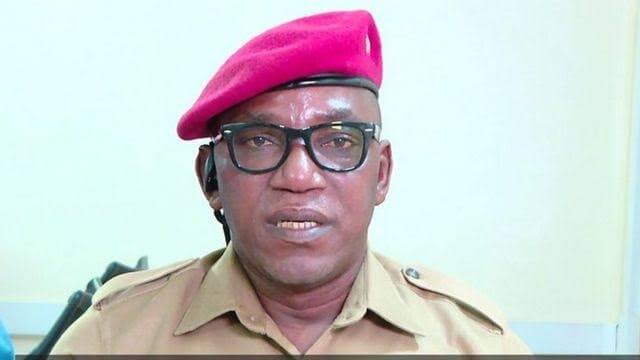
Former Minister of Sports, Solomon Dalung, has opened up about a surprising and thought-provoking conversation he once had with a young man who claimed to be living in the bush as a bandit. Dalung shared the experience during an interview with News Central, explaining how the encounter gave him a deeper understanding of the issues fueling insecurity……CONTINUE READING

According to Dalung, he was browsing TikTok when he came across the young man, who openly described himself as someone living in the forest due to ongoing conflict. Curious, Dalung asked why they engaged in violent activities. The young man responded that they had suffered losses themselves and felt targeted by vigilante groups who, according to him, harmed their people and took their cattle. This, he said, pushed them into retaliation and led them deeper into the bush.

Dalung explained that he challenged the young man, pointing out that innocent people—including other Fulani individuals—were being harmed in the process. The young man replied that, from their viewpoint, only those living in the bush were considered part of their community, while anyone living in town was seen differently. It was a response that, according to Dalung, revealed how distorted perceptions can worsen the cycle of conflict.

Wanting to know if there was any path toward peace, Dalung asked what could help end the violence. The young man shared that they were open to negotiation and discussions that could encourage them to give up their weapons and reintegrate into society. Dalung noted that the confidence with which the young man spoke was unsettling, but it also showed that dialogue could be part of the solution.

Reflecting on the experience, Dalung urged the National Assembly to consider constitutional changes that would allow Nigerians the legal right to defend themselves responsibly, especially in areas affected by insecurity.

His conversation serves as a reminder of how complex the nation’s security challenges are—and how personal engagement, understanding, and strategic dialogue may help chart a way forward.

Continue Reading

Crime

BREAKING: EFCC Drags Ex-Justice Minister Malami—What He Said Will Shock You

Published

on

BREAKING: EFCC Drags Ex-Justice Minister Malami—What He Said Will Shock You

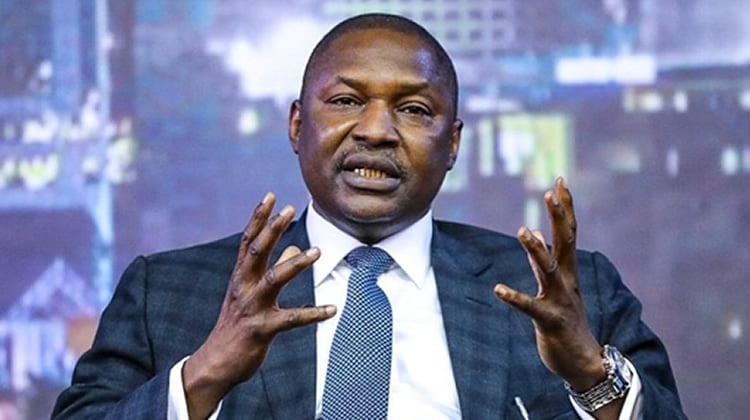
Nigeria’s former Attorney-General of the Federation and Minister of Justice, Abubakar Malami (SAN), has confirmed that the Economic and Financial Crimes Commission (EFCC) has officially summoned him—sending shockwaves across the nation’s political landscape…….CONTINUE READING

Malami, who served from 2015 to 2023 under ex-President Muhammadu Buhari, broke the news himself in a bold announcement on his social media page, declaring that he is ready to face investigators head-on.

The once-powerful justice minister, known for steering some of the country’s most controversial legal battles—from massive asset recovery operations to heated anti-corruption reforms—now finds himself at the centre of a fresh probe.
Throughout his tenure, Malami was linked to numerous high-stakes decisions, arbitration wars, and sensitive financial crime cases that kept him in the public eye.

In recent years, however, scrutiny tightened around issues such as asset declarations and management of recovered funds—allegations he has firmly and repeatedly rejected.

For now, the EFCC remains tight-lipped, refusing to disclose what exactly Malami is being called in for, leaving the public buzzing with speculation.

In a confident statement on Facebook, Malami wrote:

“This is to confirm that I have been invited by the EFCC.
As a law-abiding and patriotic citizen, I reaffirm my commitment to honour the invitation.
I understand the spirit of accountability and transparency in public service—principles I have always advocated.
I am committed to sharing developments with the Nigerian public as they unfold.”

With Malami’s pledge to keep Nigerians updated, all eyes are now fixed on the unfolding drama—a saga that promises to shake up the nation’s justice and political corridors once again.

Continue Reading

Trending