
Connect with us

Latest

Ex-Atiku Youth DG, Rowland, Makes U-Turn: Returns To PDP 26 Days After Joining ADC

Published

on

Ex-Atiku Youth DG, Rowland, Makes U-Turn: Returns To PDP 26 Days After Joining ADC

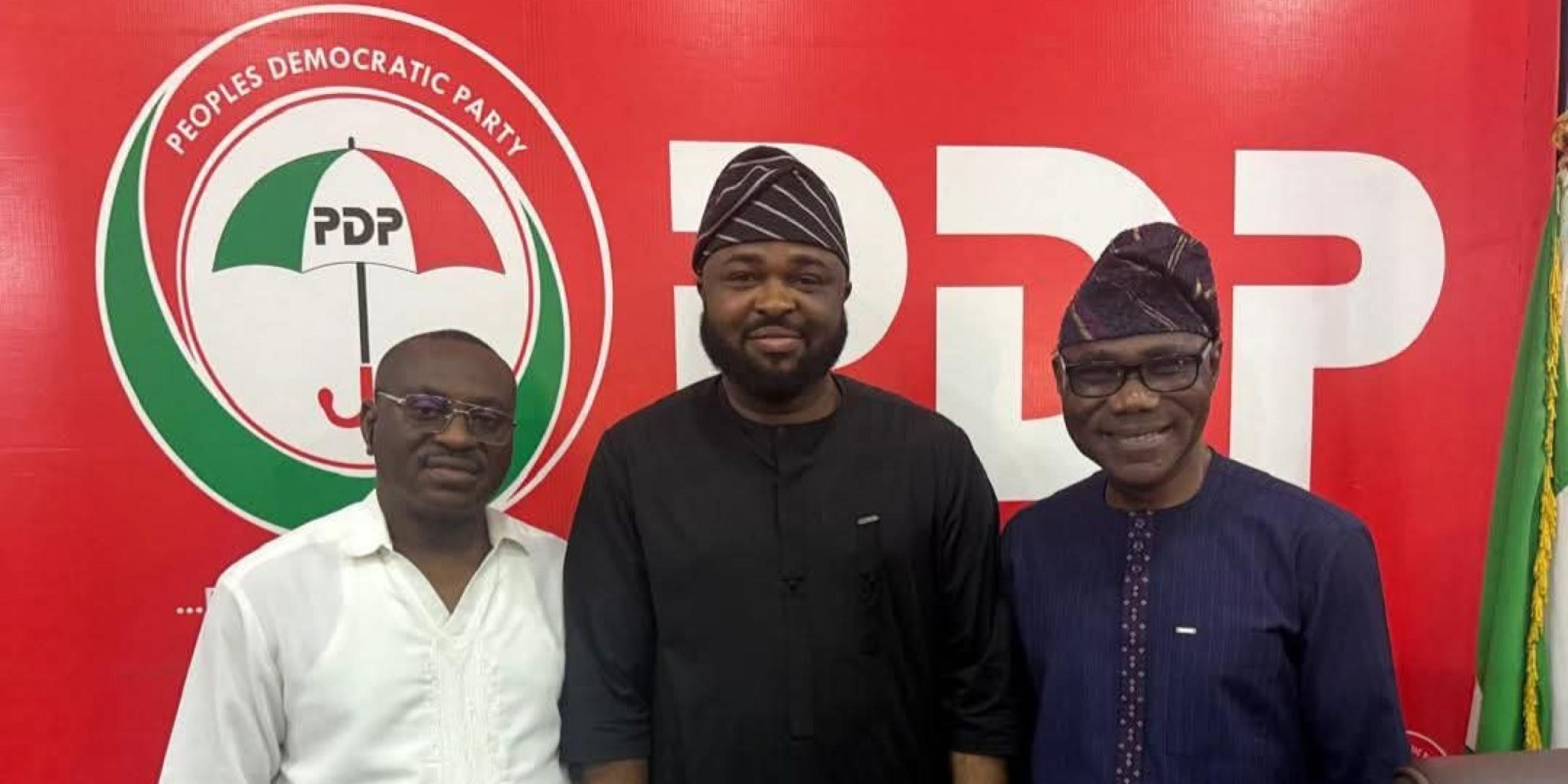
Abuja, Nigeria – In a dramatic political twist, Comrade Odih Rowland, former Director-General of the Atiku Youth Wing Campaign Organisation, has returned to the Peoples Democratic Party (PDP), less than a month after defecting to the African Democratic Congress (ADC).

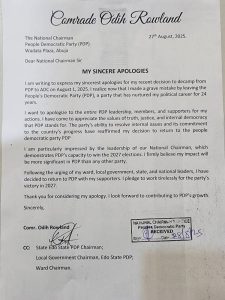
Rowland, a prominent youth mobilizer and longtime PDP member, had announced his departure on August 1, 2025, citing “political realignment.” His move sparked discussions about growing dissatisfaction within the opposition party. However, in a letter dated August 27, 2025, titled “My Sincere Apologies”, Rowland admitted that his decision to leave was a mistake, tendering an unreserved apology to PDP leadership.


“A Grave Mistake”: Rowland Explains His Return

In the apology letter, Rowland acknowledged his regret for leaving a party he had called home for over two decades.

“I realise now that I made a grave mistake by leaving the Peoples Democratic Party (PDP), a party that has nurtured my political career for 24 years,” he wrote.

The youth advocate lauded the PDP’s enduring commitment to “truth, justice, and internal democracy,” while also commending the party’s ability to resolve internal disputes—a quality he described as essential for a party seeking to return to power in 2027.

Rowland emphasized that his decision followed extensive consultations with leaders at the ward, local government, state, and national levels. He pledged to mobilize supporters for the PDP’s victory in the upcoming elections.


Leadership and the 2027 Elections

One striking element of Rowland’s letter was his praise for the PDP National Chairman’s leadership style. He noted that the chairman’s approach to unity and inclusiveness convinced him that the PDP remains Nigeria’s most credible opposition platform.

“I am particularly impressed by the leadership of our National Chairman, which demonstrates PDP’s capacity to win the 2027 elections,” Rowland declared.

His statement comes at a time when the PDP is seeking to reassert itself as Nigeria’s leading opposition party against the ruling All Progressives Congress (APC). With former Vice President Atiku Abubakar still a central figure in the PDP’s orbit, Rowland’s return is being interpreted as a signal that the party retains influence over its grassroots youth leaders.


PDP’s Response: A Symbol of Endurance

The PDP officially welcomed Rowland back at its National Headquarters in Abuja on Thursday. Party officials described his return as “a testament to the PDP’s enduring appeal and unity in the face of challenges.”

One senior PDP leader, who spoke on condition of anonymity, suggested that defections and subsequent returns are part of Nigeria’s dynamic political landscape, but Rowland’s quick U-turn highlights the PDP’s capacity to remain attractive to its former members.

The move is expected to boost morale within the party’s youth wing, particularly as the 2027 general elections approach.


A Pattern of Political Defections in Nigeria

Rowland’s defection and swift return mirror a broader trend in Nigerian politics, where party loyalty is often fluid. Over the years, high-profile politicians such as former governors, senators, and ministers have switched allegiances multiple times, citing ideological differences, leadership disputes, or strategic electoral positioning.

Political analysts argue that defections are not always signs of weakness but can reflect the complex negotiations and power shifts that characterize Nigerian democracy.

Globally, political realignments are also common. In South Africa, the African National Congress (ANC) has faced defections to opposition parties, though many politicians eventually return when political tides shift. Similarly, in India, defections and re-alignments are frequent in regional and national politics, as leaders reposition themselves ahead of elections.


What Rowland’s Return Means for PDP

Rowland’s return carries symbolic weight for several reasons:

  1. Youth Mobilization – As a former youth campaign director for Atiku, he commands influence among politically active young Nigerians, a demographic that will be decisive in 2027.

  2. Perception of Unity – His public apology and recognition of PDP’s “internal democracy” may help counter narratives that the party is fractured beyond repair.

  3. Strategic Timing – Coming less than a month after leaving, the reversal signals that alternative platforms like the ADC may still struggle to retain high-profile defectors.

However, critics caution that frequent defections highlight deeper issues in Nigerian political culture, such as the absence of strong ideological commitments and the dominance of personal ambition over policy-driven politics.


Reactions Across Nigeria

The news of Rowland’s return has generated mixed reactions. Some PDP supporters welcomed him warmly, praising his humility and willingness to admit a mistake. Others, however, criticized what they described as “political inconsistency.”

On social media, users debated whether his return was motivated by genuine conviction or by political expediency. A Twitter user commented:

“This is why Nigerians don’t trust politicians—jumping from party to party and back again within weeks. Where is the ideology?”

Another responded more favorably:

“It takes courage to admit when you’re wrong. Rowland’s apology shows he values unity over ego. PDP needs more of that ahead of 2027.”

See the letter below:

Continue Reading
Click to comment

Leave a Reply

Your email address will not be published. Required fields are marked *

Crime

Fresh Wave Of Insecurity: Pregnant Woman And Several Residents Abducted In Niger And FCT

Published

on

Continue Reading

Crime

Dalung Breaks Silence: TikTok Chat With Bandit Exposes Deep Secrets Behind The Violence

Published

on

Dalung Breaks Silence: TikTok Chat With Bandit Exposes Deep Secrets Behind The Violence

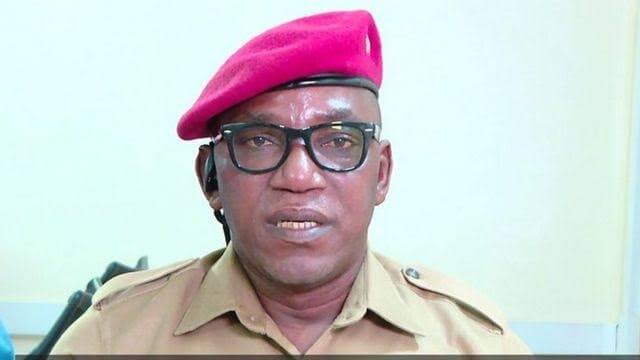
Former Minister of Sports, Solomon Dalung, has opened up about a surprising and thought-provoking conversation he once had with a young man who claimed to be living in the bush as a bandit. Dalung shared the experience during an interview with News Central, explaining how the encounter gave him a deeper understanding of the issues fueling insecurity……CONTINUE READING

According to Dalung, he was browsing TikTok when he came across the young man, who openly described himself as someone living in the forest due to ongoing conflict. Curious, Dalung asked why they engaged in violent activities. The young man responded that they had suffered losses themselves and felt targeted by vigilante groups who, according to him, harmed their people and took their cattle. This, he said, pushed them into retaliation and led them deeper into the bush.

Dalung explained that he challenged the young man, pointing out that innocent people—including other Fulani individuals—were being harmed in the process. The young man replied that, from their viewpoint, only those living in the bush were considered part of their community, while anyone living in town was seen differently. It was a response that, according to Dalung, revealed how distorted perceptions can worsen the cycle of conflict.

Wanting to know if there was any path toward peace, Dalung asked what could help end the violence. The young man shared that they were open to negotiation and discussions that could encourage them to give up their weapons and reintegrate into society. Dalung noted that the confidence with which the young man spoke was unsettling, but it also showed that dialogue could be part of the solution.

Reflecting on the experience, Dalung urged the National Assembly to consider constitutional changes that would allow Nigerians the legal right to defend themselves responsibly, especially in areas affected by insecurity.

His conversation serves as a reminder of how complex the nation’s security challenges are—and how personal engagement, understanding, and strategic dialogue may help chart a way forward.

Continue Reading

Latest

Oyo State: Millions Lost As Fire Damages Two Residential Buildings In Ibadan And Kishi

Published

on

Oyo State: Millions Lost As Fire Damages Two Residential Buildings In Ibadan And Kishi

Oyo State

Two separate fire incidents have destroyed properties worth millions of naira in Oyo State, affecting residential buildings in both Ibadan and Kishi on Wednesday night…..CONTINUE READING

The first incident occurred at 17 Prestige Estate, Joop Bad Hour Crescent, Onirele, Ibadan, where the living room of a four-bedroom duplex was severely damaged. Although the fire consumed valuable household items, no injuries or loss of life were recorded.

In Kishi town, a second fire broke out at 1 Alhaji Rosco Street, Ajangba Area, where the generator room of another four-bedroom residence was engulfed. The blaze also affected property worth millions of naira before firefighters arrived.

Chairman of the Oyo State Fire Service, Hon. Maroof Akinwande, confirmed both incidents on Friday. He praised the swift response of fire officers, noting that their timely intervention prevented the flames from spreading to other parts of the buildings.

According to Akinwande:

“When we arrived, the living room of the duplex was already on fire. Our officers launched a prompt and coordinated attack, preventing the fire from spreading further. No casualty was recorded, and properties worth millions were saved. The cause of the incident is still under investigation.”

He added that the Kishi incident was also contained quickly:

“Upon arrival, we discovered the generator room was completely engulfed. Our firemen acted immediately and stopped the fire from reaching the main building. It was fully extinguished in record time.”

The Oyo State Fire Service has urged residents to prioritize safety measures, maintain electrical and generator installations, and report emergencies promptly to reduce losses.

Continue Reading

Trending