
Business
Black Market Dollar To Naira Exchange Rate Today – August 22, 2025


Cooking Gas Prices Drop In Nigeria – See New Average Cost In July 2025
Cooking Gas Prices Drop

For many Nigerian households, the price of cooking gas has become a constant source of worry over the past year. Families who rely on Liquefied Petroleum Gas (LPG) have been caught between rising costs and stagnant incomes, forcing some to cut back usage or switch to less efficient alternatives like kerosene, charcoal, or even firewood. But there’s finally a small relief on the horizon: the price of cooking gas is beginning to ease, at least for now…..CONTINUE READING
The Latest Figures
According to the National Bureau of Statistics (NBS), the average retail price of refilling a 12.5kg cylinder of LPG fell from ₦21,010.56 in June 2025 to ₦20,609.48 in July 2025. That’s a 1.91% decrease month-on-month, which, while not dramatic, is still a welcome change for struggling households.
However, the year-on-year comparison tells a different story. In July 2024, the same quantity cost ₦14,261.57. That means Nigerians are still paying 44.5% more today than they did just a year ago. In other words, while the month-to-month dip is good news, the bigger picture remains one of steep inflation.
Regional Variations
Interestingly, not all states are experiencing the same reality. States like Imo, Delta, and Rivers recorded some of the highest LPG prices, while Kebbi, Nasarawa, and Kwara enjoyed the lowest. This disparity often reflects transportation costs, supply chains, and even local market competition. For example, states closer to major gas depots or coastal areas may benefit from slightly cheaper prices compared to those further inland.
The Bigger Picture – Why Prices Are Still High
To understand why LPG prices remain elevated, it’s important to look beyond the numbers:
-
Global Energy Market Volatility – International gas prices have been fluctuating due to shifts in demand, supply chain disruptions, and geopolitical issues. Nigeria, despite being a gas-rich country, still ties its domestic prices partly to global trends.
-
Dollar Exchange Rate – Since LPG imports rely on foreign exchange, the naira-to-dollar rate heavily impacts the cost. The weakened naira continues to put upward pressure on prices.
-
Infrastructure & Supply Gaps – Nigeria has abundant gas reserves, but limited infrastructure for processing, storage, and distribution. Until the country expands its domestic capacity, prices will remain vulnerable to external shocks.
What It Means for Nigerian Households
For families already stretched thin by rising food and fuel costs, the slight reduction in July is a breath of fresh air. As of September 1, 2025, some Abuja residents were able to refill a 12.5kg cylinder for around ₦15,000, showing that market realities on the ground sometimes move faster than official averages.
Still, the larger problem remains: energy poverty. When gas prices are high, more people turn to cheaper, dirtier fuels, which affects not only household health (due to smoke inhalation) but also the environment through deforestation and carbon emissions.
Looking Ahead
The government has consistently spoken about making gas the “fuel of the future” in Nigeria, with initiatives to deepen LPG penetration and reduce reliance on kerosene and firewood. However, for this vision to become reality, pricing must be stable and affordable. Investments in local processing, distribution, and subsidies for households could go a long way in making LPG accessible to all.
Final Thoughts
The slight dip in cooking gas prices is good news, but it’s not enough to erase the burden of energy inflation on Nigerian families. Policymakers need to act fast to stabilize the market, support local production, and shield households from volatile global energy trends. For now, Nigerians can breathe a little easier when refilling their gas cylinders — but the bigger struggle for energy affordability continues.

Black Market Dollar To Naira Exchange Rate Today – September 1, 2025
Black Market Dollar To Naira Exchange

The Nigerian economy continues to wrestle with exchange rate fluctuations, and as always, the black market remains a hot topic for anyone dealing in foreign exchange. Whether you are a business owner trying to import goods, a student paying school fees abroad, or simply someone receiving remittances from family overseas, the dollar-to-naira rate is a crucial figure that directly impacts your daily life……CONTINUE READING
As of Monday, September 1, 2025, the parallel market (popularly known as the Aboki fx or black market) recorded the following rates:
-
Buying Rate: ₦1545 per $1
-
Selling Rate: ₦1527 per $1
This figure is according to updates from Bureau De Change (BDC) operators in Lagos.
Why the Black Market Matters to Nigerians
Even though the Central Bank of Nigeria (CBN) continues to emphasize that the black market is not an official channel for forex transactions, the reality on the ground is that millions of Nigerians depend on it. The reasons are simple:
-
Limited Access at Banks – Many Nigerians who attempt to buy forex through official channels often meet strict documentation requirements, long waiting times, or outright unavailability.
-
Ease of Transactions – The black market offers faster and more flexible access to dollars, pounds, and euros.
-
Demand vs Supply – With high demand and limited official supply, the parallel market becomes the go-to option.
Comparing Black Market and CBN Rates
Interestingly, the CBN’s official rates today (September 1, 2025) are only slightly different from the parallel market:
-
Highest Rate: ₦1534 per $1
-
Lowest Rate: ₦1525 per $1
This near-closeness is unusual compared to past years when black market rates could be hundreds of naira higher. It suggests the government may have increased interventions in the FX market or that liquidity has slightly improved.
What Does This Mean for Nigerians?
For everyday Nigerians, this narrow gap between official and parallel market rates may provide a bit of relief, especially for businesses that rely heavily on imported goods. However, the cost of living remains high, and any fluctuation in the dollar affects fuel prices, food costs, and even basic household items.
On the flip side, Nigerians earning in dollars (freelancers, exporters, and those receiving remittances) may feel that the naira is still undervalued compared to what it could fetch in the black market.
Final Thoughts
The dollar-to-naira story is far from over. While today’s rates may look more balanced between the CBN and black market, the sustainability of this stability depends on Nigeria’s economic policies, oil revenues, and global economic conditions.
For now, if you’re engaging in forex transactions, always compare rates and be cautious—especially with black market dealings. Though convenient, it is still outside the CBN’s approval, and prices may shift drastically from one day to the next.
💡 Tip: Always confirm the latest rates before making large forex-related decisions, and where possible, try to use official channels to minimize risks.

Nigeria’s $500 Million Airport Upgrade Hits A Wall—Completion Date Now An Doubt
Nigeria’s $500 Million Airport
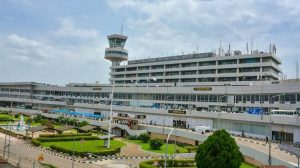
When Nigerians heard that the Murtala Muhammed International Airport in Lagos—by far the busiest gateway into the country—was finally getting a long-overdue facelift, there was a sense of relief. After years of navigating outdated facilities, overcrowded halls, and infrastructure that clearly lagged behind global standards, the prospect of a modern terminal symbolized hope for a smoother travel experience and a stronger image of Nigeria abroad……CONTINUE READING
But as with many mega-infrastructure projects in the country, timelines are already shifting.
The Project and Its Challenges
The Lagos airport upgrade was initially pegged for completion within 22 months, setting a May 2027 delivery date. However, a three-month delay in commencement has already raised doubts about whether this timeline is achievable. Aviation Minister Festus Keyamo has defended the project, stressing that the overhaul is not just about aesthetics but about replacing decaying infrastructure, expanding capacity, and aligning Nigeria with international aviation benchmarks.
Industry experts, however, are less optimistic. “Even if the work had started in August, it still wouldn’t have been completed by May 2027,” one insider noted. This raises an important question: will the Lagos airport modernization follow through as scheduled, or will it become yet another stalled project on Nigeria’s long list of unfinished infrastructure ambitions?
Why the Stakes Are High
Airports are more than just transit points—they are a nation’s front door. For many visitors, their first impression of Nigeria begins at Murtala Muhammed International Airport. Unfortunately, for years, that impression has been marked by long queues, frequent breakdowns of facilities, and a general sense of wear.
With Nigeria positioning itself as West Africa’s economic hub, an outdated airport undermines investment, tourism, and international confidence. Neighboring Ghana, for instance, has made significant strides in improving its aviation infrastructure, and it has already started reaping the benefits with increased traffic through Accra’s Kotoka International Airport.
Beyond Bricks and Mortar
Upgrading the Lagos airport isn’t only about new terminals or shiny floors. It’s about capacity, efficiency, and safety. The current facilities are overstretched, handling more passengers than they were designed for. If the new project is completed on time, it could ease congestion, improve passenger experience, and raise Nigeria’s competitiveness in global aviation rankings.
But if delays persist, Nigeria risks falling further behind. Investors and airlines are constantly evaluating logistics and infrastructure before making long-term decisions. A prolonged construction timeline could frustrate stakeholders and erode confidence.
What Needs to Change
To avoid a drawn-out project, the government must enforce transparency, strict adherence to deadlines, and accountability from contractors. Clear communication about timelines, budget allocations, and progress reports will not only assure Nigerians but also encourage confidence in the aviation sector as a whole.
Final Thoughts
The modernization of Lagos’ airport is not just another government project—it’s a critical national priority. Timely delivery could unlock economic growth, reshape global perceptions of Nigeria, and improve the daily travel experiences of millions of passengers. But delays, if unchecked, could reduce it to yet another symbol of promises made but not kept.
As Nigeria embarks on this ambitious overhaul, the clock is ticking. For once, Nigerians are hoping this will be a project that lands right on schedule.

Fresh Wave Of Insecurity: Pregnant Woman And Several Residents Abducted In Niger And FCT

Dalung Breaks Silence: TikTok Chat With Bandit Exposes Deep Secrets Behind The Violence

Oyo State: Millions Lost As Fire Damages Two Residential Buildings In Ibadan And Kishi

VIDEO: Drama As Drone Crashes Near Emir Sanusi During Sallah Speech In Kano

12 Countries Banned, 7 Restricted — Trump’s Controversial New Order Sparks Outrage

BREAKING: London-Bound Plane Explodes In Mid-Air Just Minutes After Takeoff – Hundreds Feared Dead
-
 Latest6 months ago
VIDEO: Drama As Drone Crashes Near Emir Sanusi During Sallah Speech In Kano
-
 latest news6 months ago
12 Countries Banned, 7 Restricted — Trump’s Controversial New Order Sparks Outrage
-
 Latest6 months ago
BREAKING: London-Bound Plane Explodes In Mid-Air Just Minutes After Takeoff – Hundreds Feared Dead
-

 Entertainment6 months ago
Angela Okorie Vs Oil Money: Wikipedia Edits, Pregnancy Scandals & Online Warfare
-

 Entertainment6 months ago
“I Regret Not Signing Simi, Teni” – Don Jazzy Opens Up On Biggest Misses In His Career
-

 latest news6 months ago
BREAKING NEWS: Kylian Mbappé Hospitalized
-

 Latest6 months ago
Silent Slaughter: How Drugs Are Destroying Northern Nigeria’s Youth, DFAM Warns
-

 Latest6 months ago
VIDEO: Chaos At Lagos Airport As Oshiomhole Shuts Down Terminal After Missing Flight