Connect with us

Crime

How ₦8,000 Dispute Sparked Deadly Clash At Lagos Market

Published

on

How ₦8,000 Dispute Sparked Deadly Clash At Lagos Market

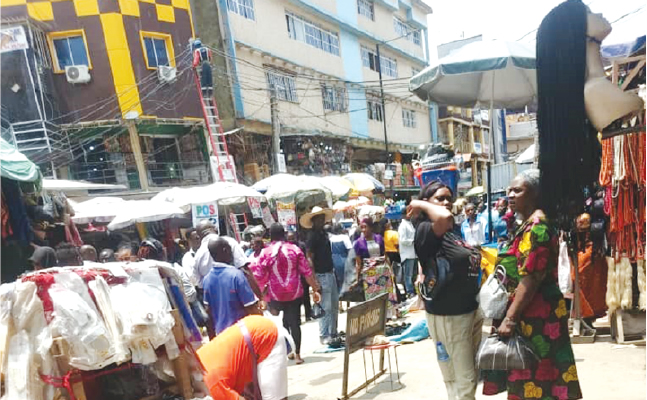
The bustling Balogun Market on Lagos Island, known for its vibrant trade and endless hustle, was thrown into mourning on Wednesday after a fight over the sharing of ₦8,000 led to the death of a trader, identified as Sodiq Ibrahim……CONTINUE READING

Eyewitnesses and police sources confirmed that the tragic incident occurred in the Mandillas section of the market, one of the busiest hubs for clothing and textile trade in Nigeria.

The Dispute That Turned Deadly

According to investigations, the altercation began between Ibrahim, a native of Kogi State, and his colleague, Ebuka Adindu from Abia State. Both men were members of a group locally called Oso Ahia (loosely translated from Igbo as “market hustlers”), whose role is to direct customers to shops in exchange for commission fees.

On Wednesday, a shop owner handed over ₦8,000 to be shared between Ibrahim and Adindu for bringing in a customer. What should have been a routine transaction soon spiraled into a heated argument over how to split the money.

Witnesses said Ibrahim first struck Adindu with a broken bottle, injuring him before attempting to flee. In retaliation, Adindu chased him down and stabbed him fatally with a knife.

“He probably didn’t mean to kill him, but sadly, the boy bled to death,” one trader, Funmi Arewa, told reporters.

Another witness, identified as Moshood, added: “This was not tribal. It was just two hustlers who couldn’t agree on sharing ₦8,000. Unfortunately, it ended in tragedy.”

Police Debunk Ethnic Tension Rumours

In the immediate aftermath, social media was awash with speculation that the fight was fueled by ethnic rivalry between Igbo and Hausa/Yoruba traders, raising fears of a wider clash.

However, the Lagos State Police Command swiftly dismissed such claims.

Spokesperson Benjamin Hundeyin said in a statement:

“During the fight, one Ebuka Adindu from Abia State stabbed one Sodiq Ibrahim from Kogi State to death. Adindu, in turn, stabbed himself on the shoulder and became unconscious. He is currently under arrest in the hospital, where he is being treated. Investigation into the matter will be concluded, and he will be prosecuted after discharge.”

Hundeyin emphasized that the incident was not ethnic-related but a personal dispute that escalated violently.

Shock in the Market Community

Traders in the Balogun business district described the killing as the first major violent incident in years within the market, which is better known for its daily rush of shoppers and traders than for bloodshed.

“It is unfortunate because we all work together here regardless of tribe or religion,” said another trader, Chigozie, who witnessed part of the scuffle.

He explained that the incident was more about desperation and the harsh realities of hustling in Lagos markets than about ethnic divides.

Wider Context: Poverty and Petty Disputes in Nigeria’s Markets

This tragic event reflects a broader issue facing many Nigerian markets, where petty disputes often turn violent due to high levels of stress, poverty, and lack of conflict resolution mechanisms.

According to the National Bureau of Statistics (NBS), over 133 million Nigerians are living in multidimensional poverty, with many young people forced into informal work like hustling in markets for commissions.

Criminologists argue that economic desperation and lack of effective dispute resolution often contribute to otherwise avoidable violence.

Similar incidents have been reported in other African cities. In Nairobi’s Gikomba market, disputes over customer referrals and transport fares have led to violent fights among traders. Likewise, in Accra, Ghana, “market porters” (kayayei) have been known to engage in clashes over small sums of money.

Government Response and Calls for Market Mediation

Analysts say the Lagos tragedy highlights the need for market mediation systems—structured ways of resolving disputes among traders without resorting to violence.

Civil society groups have long called for the government and market associations to introduce alternative dispute resolution (ADR) units within markets. Such systems exist in parts of South Africa, where community mediators help defuse disputes before they escalate.

The Human Toll

For Ibrahim’s family, the tragedy has left a deep scar. He was described as a young man struggling to make ends meet in Lagos. His death over just ₦8,000 (about $5) has sparked outrage and sadness among many Nigerians online, who see it as a reflection of both economic hardship and rising insecurity.

On social media, hashtags like #LagosMarketKilling trended briefly, with users lamenting how poverty-fueled disputes continue to cut lives short in Africa’s largest economy.

Adindu, the suspect, remains under police custody in a hospital and is expected to face murder charges once discharged.

Conclusion

The Balogun market killing underscores how fragile livelihoods, economic struggles, and lack of conflict resolution can fuel deadly violence in Nigeria’s markets. While the police have calmed fears of ethnic tensions, the deeper issue remains: how to protect lives in environments where desperation meets opportunity.

For many Lagos traders, the tragedy is a sobering reminder that the daily hustle—while essential for survival—should never end in loss of life.


Continue Reading
Click to comment

Leave a Reply

Your email address will not be published. Required fields are marked *

Crime

Fresh Wave Of Insecurity: Pregnant Woman And Several Residents Abducted In Niger And FCT

Published

on

Continue Reading

Crime

Dalung Breaks Silence: TikTok Chat With Bandit Exposes Deep Secrets Behind The Violence

Published

on

Dalung Breaks Silence: TikTok Chat With Bandit Exposes Deep Secrets Behind The Violence

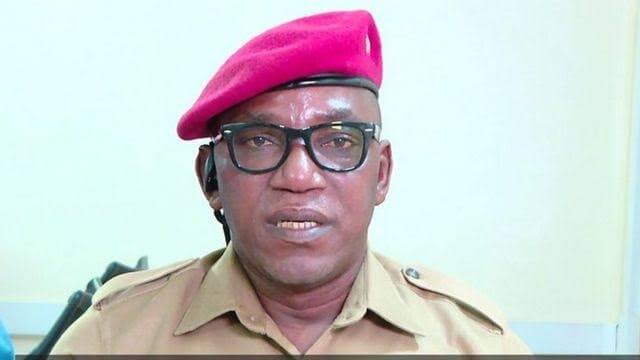
Former Minister of Sports, Solomon Dalung, has opened up about a surprising and thought-provoking conversation he once had with a young man who claimed to be living in the bush as a bandit. Dalung shared the experience during an interview with News Central, explaining how the encounter gave him a deeper understanding of the issues fueling insecurity……CONTINUE READING

According to Dalung, he was browsing TikTok when he came across the young man, who openly described himself as someone living in the forest due to ongoing conflict. Curious, Dalung asked why they engaged in violent activities. The young man responded that they had suffered losses themselves and felt targeted by vigilante groups who, according to him, harmed their people and took their cattle. This, he said, pushed them into retaliation and led them deeper into the bush.

Dalung explained that he challenged the young man, pointing out that innocent people—including other Fulani individuals—were being harmed in the process. The young man replied that, from their viewpoint, only those living in the bush were considered part of their community, while anyone living in town was seen differently. It was a response that, according to Dalung, revealed how distorted perceptions can worsen the cycle of conflict.

Wanting to know if there was any path toward peace, Dalung asked what could help end the violence. The young man shared that they were open to negotiation and discussions that could encourage them to give up their weapons and reintegrate into society. Dalung noted that the confidence with which the young man spoke was unsettling, but it also showed that dialogue could be part of the solution.

Reflecting on the experience, Dalung urged the National Assembly to consider constitutional changes that would allow Nigerians the legal right to defend themselves responsibly, especially in areas affected by insecurity.

His conversation serves as a reminder of how complex the nation’s security challenges are—and how personal engagement, understanding, and strategic dialogue may help chart a way forward.

Continue Reading

Crime

BREAKING: EFCC Drags Ex-Justice Minister Malami—What He Said Will Shock You

Published

on

BREAKING: EFCC Drags Ex-Justice Minister Malami—What He Said Will Shock You

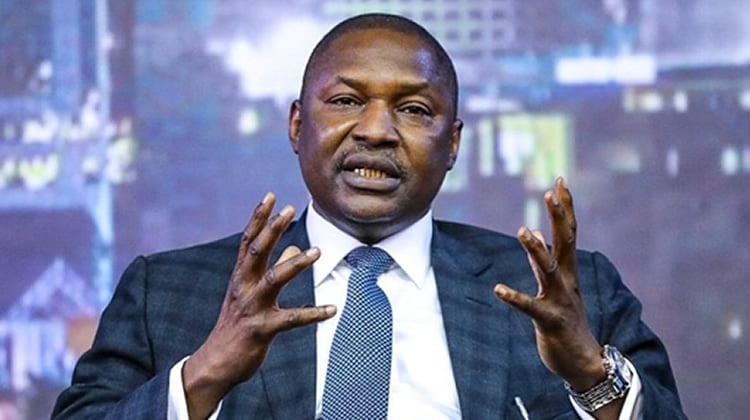
Nigeria’s former Attorney-General of the Federation and Minister of Justice, Abubakar Malami (SAN), has confirmed that the Economic and Financial Crimes Commission (EFCC) has officially summoned him—sending shockwaves across the nation’s political landscape…….CONTINUE READING

Malami, who served from 2015 to 2023 under ex-President Muhammadu Buhari, broke the news himself in a bold announcement on his social media page, declaring that he is ready to face investigators head-on.

The once-powerful justice minister, known for steering some of the country’s most controversial legal battles—from massive asset recovery operations to heated anti-corruption reforms—now finds himself at the centre of a fresh probe.
Throughout his tenure, Malami was linked to numerous high-stakes decisions, arbitration wars, and sensitive financial crime cases that kept him in the public eye.

In recent years, however, scrutiny tightened around issues such as asset declarations and management of recovered funds—allegations he has firmly and repeatedly rejected.

For now, the EFCC remains tight-lipped, refusing to disclose what exactly Malami is being called in for, leaving the public buzzing with speculation.

In a confident statement on Facebook, Malami wrote:

“This is to confirm that I have been invited by the EFCC.
As a law-abiding and patriotic citizen, I reaffirm my commitment to honour the invitation.
I understand the spirit of accountability and transparency in public service—principles I have always advocated.
I am committed to sharing developments with the Nigerian public as they unfold.”

With Malami’s pledge to keep Nigerians updated, all eyes are now fixed on the unfolding drama—a saga that promises to shake up the nation’s justice and political corridors once again.

Continue Reading

Trending