Connect with us

Latest

Awaiting-Trial Inmates Feeding Gulps ₦14bn In Eight Months: Inside Nigeria’s Soaring Prison Costs

Published

on

Awaiting-Trial Inmates Feeding Gulps ₦14bn In Eight Months: Inside Nigeria’s Soaring Prison Costs

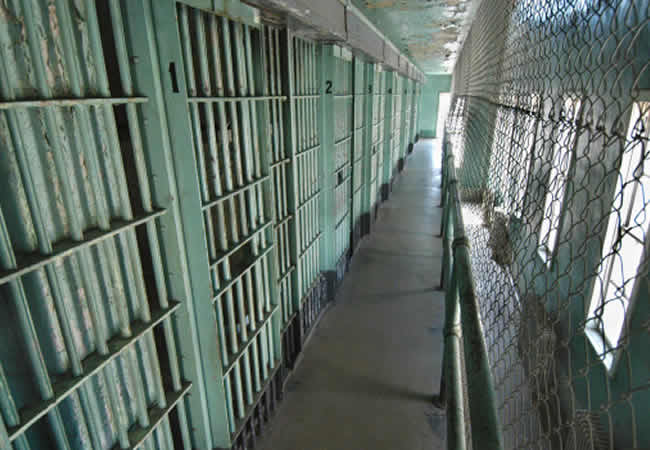
The Nigerian Correctional Service (NCoS) has spent more than ₦14 billion feeding inmates awaiting trial between January and August 2025, according to fresh findings. The figures highlight the growing financial burden of Nigeria’s congested correctional system, even as calls for urgent reforms mount………CONTINUE READING

Rising Inmate Numbers, Rising Costs

Records obtained from the NCoS revealed that the population of individuals in custody without trial has steadily increased this year.

  • January: 48,932 inmates awaiting trial

  • February: 52,771

  • March: 53,254

  • April: 52,937

  • June: 53,178

  • July: 53,473

  • August 25: 53,114

This brings the average awaiting-trial population between January and August to around 52,665 inmates.

The Federal Government, under President Bola Tinubu, had earlier raised the daily feeding allowance per inmate from ₦750 to ₦1,125. This adjustment significantly increased the total cost of meals across correctional facilities nationwide.

Calculations show that between January 1 and August 25 — a span of 237 days — the Correctional Service spent an estimated ₦59.2 million per day to feed inmates awaiting trial alone. Over the period, this amounted to a staggering ₦14.04 billion.

Correctional Service Defends Spending

Speaking on the matter, NCoS spokesperson Umar Abubakar explained that the Service, under the leadership of Controller General Sylvester Nwakuche, has been fulfilling its constitutional mandate of providing daily meals to inmates.

“Despite economic challenges and inflationary pressures, the Service has continued to innovate within available resources. Through partnerships with government agencies and food supply contractors, we ensure food items are sourced responsibly and delivered promptly,” Abubakar said.

He added that feeding inmates is not just about sustenance, but a reflection of the Service’s commitment to humane corrections and rehabilitation.

“The Service remains open to collaboration with civil society organisations and oversight bodies to ensure standards are maintained and that inmates’ rights to adequate food and nutrition are fully protected,” he noted.

Nigeria’s Wider Inmate Crisis

The revelations come amid a broader crisis in Nigeria’s prison system. According to the Nigerian Correctional Service, the country’s total inmate population is over 80,000, with more than 70% awaiting trial. This is among the highest ratios of pre-trial detention in the world.

Legal experts argue that the high number of awaiting-trial inmates is caused by:

  • Slow judicial processes and adjournments

  • Overloaded courts with insufficient judges

  • Police reliance on prolonged detention before trial

  • Inability of poor defendants to afford legal representation or bail

This means thousands of Nigerians are effectively serving time without conviction, raising concerns about human rights and justice.

Global Comparisons

Nigeria is not alone in grappling with the cost of housing inmates.

  • In the United States, where prisons house over 1.8 million inmates, state governments spend more than $80 billion annually on incarceration, with a daily feeding allowance averaging $2.50–$3.00 per inmate.

  • In South Africa, government data shows inmate feeding costs reached R1.2 billion (approx. ₦90bn) in 2023, sparking debates about balancing prisoner rights with national priorities.

  • The United Nations Office on Drugs and Crime (UNODC) has repeatedly warned that countries with large awaiting-trial populations face not just financial strain, but also security risks, as overcrowding fuels unrest and prison breaks.

Against this backdrop, Nigeria’s ₦14bn expenditure in just eight months underscores the urgent need for criminal justice reform.

Calls for Reform and Alternative Solutions

Human rights advocates insist that the focus should not just be on feeding inmates, but on reducing the number of awaiting-trial detainees.

Possible reforms include:

  • Speeding up trials with digital court systems.

  • Expanding community service sentences for minor offences.

  • Introducing bail reform to reduce pre-trial detentions.

  • Strengthening legal aid to ensure poor defendants get representation.

According to Amnesty International, Nigeria’s prisons are often overcrowded by three times their designed capacity, with many inmates sleeping in shifts due to lack of space.

Public Reaction and Accountability

The ₦14bn figure has sparked mixed reactions among Nigerians. While some believe feeding inmates is a constitutional and humanitarian duty, others question whether the funds are being effectively managed.

Critics argue that corruption in food supply contracts may inflate costs, depriving inmates of adequate nutrition despite huge government allocations. Inmates’ families and rights groups have long complained about poor-quality meals in several correctional facilities.

Analysts also warn that the issue may become a political flashpoint, especially as the country grapples with inflation, subsidy removals, and rising poverty.

Symbolism of Humane Treatment

Despite criticism, correctional experts note that prioritising inmate welfare has long-term benefits. Feeding and rehabilitating inmates, they argue, helps reduce the likelihood of recidivism when prisoners eventually rejoin society.

As NCoS spokesperson Abubakar explained, “Prioritising inmate welfare lays the groundwork for meaningful rehabilitation and reintegration, and is central to our vision of a fair and just correctional system.”

Conclusion

Nigeria’s ₦14bn prison feeding bill in eight months paints a stark picture of the country’s justice and correctional challenges. While the Correctional Service insists it is meeting its constitutional obligations, the figures highlight the urgent need to address systemic inefficiencies, corruption, and judicial delays that keep tens of thousands behind bars without trial.

For now, the debate continues: Is Nigeria feeding justice — or just feeding a broken system?

Continue Reading
Click to comment

Leave a Reply

Your email address will not be published. Required fields are marked *

Crime

Fresh Wave Of Insecurity: Pregnant Woman And Several Residents Abducted In Niger And FCT

Published

on

Continue Reading

Crime

Dalung Breaks Silence: TikTok Chat With Bandit Exposes Deep Secrets Behind The Violence

Published

on

Dalung Breaks Silence: TikTok Chat With Bandit Exposes Deep Secrets Behind The Violence

Former Minister of Sports, Solomon Dalung, has opened up about a surprising and thought-provoking conversation he once had with a young man who claimed to be living in the bush as a bandit. Dalung shared the experience during an interview with News Central, explaining how the encounter gave him a deeper understanding of the issues fueling insecurity……CONTINUE READING

According to Dalung, he was browsing TikTok when he came across the young man, who openly described himself as someone living in the forest due to ongoing conflict. Curious, Dalung asked why they engaged in violent activities. The young man responded that they had suffered losses themselves and felt targeted by vigilante groups who, according to him, harmed their people and took their cattle. This, he said, pushed them into retaliation and led them deeper into the bush.

Dalung explained that he challenged the young man, pointing out that innocent people—including other Fulani individuals—were being harmed in the process. The young man replied that, from their viewpoint, only those living in the bush were considered part of their community, while anyone living in town was seen differently. It was a response that, according to Dalung, revealed how distorted perceptions can worsen the cycle of conflict.

Wanting to know if there was any path toward peace, Dalung asked what could help end the violence. The young man shared that they were open to negotiation and discussions that could encourage them to give up their weapons and reintegrate into society. Dalung noted that the confidence with which the young man spoke was unsettling, but it also showed that dialogue could be part of the solution.

Reflecting on the experience, Dalung urged the National Assembly to consider constitutional changes that would allow Nigerians the legal right to defend themselves responsibly, especially in areas affected by insecurity.

His conversation serves as a reminder of how complex the nation’s security challenges are—and how personal engagement, understanding, and strategic dialogue may help chart a way forward.

Continue Reading

Latest

Oyo State: Millions Lost As Fire Damages Two Residential Buildings In Ibadan And Kishi

Published

on

Oyo State: Millions Lost As Fire Damages Two Residential Buildings In Ibadan And Kishi

Oyo State

Two separate fire incidents have destroyed properties worth millions of naira in Oyo State, affecting residential buildings in both Ibadan and Kishi on Wednesday night…..CONTINUE READING

The first incident occurred at 17 Prestige Estate, Joop Bad Hour Crescent, Onirele, Ibadan, where the living room of a four-bedroom duplex was severely damaged. Although the fire consumed valuable household items, no injuries or loss of life were recorded.

In Kishi town, a second fire broke out at 1 Alhaji Rosco Street, Ajangba Area, where the generator room of another four-bedroom residence was engulfed. The blaze also affected property worth millions of naira before firefighters arrived.

Chairman of the Oyo State Fire Service, Hon. Maroof Akinwande, confirmed both incidents on Friday. He praised the swift response of fire officers, noting that their timely intervention prevented the flames from spreading to other parts of the buildings.

According to Akinwande:

“When we arrived, the living room of the duplex was already on fire. Our officers launched a prompt and coordinated attack, preventing the fire from spreading further. No casualty was recorded, and properties worth millions were saved. The cause of the incident is still under investigation.”

He added that the Kishi incident was also contained quickly:

“Upon arrival, we discovered the generator room was completely engulfed. Our firemen acted immediately and stopped the fire from reaching the main building. It was fully extinguished in record time.”

The Oyo State Fire Service has urged residents to prioritize safety measures, maintain electrical and generator installations, and report emergencies promptly to reduce losses.

Continue Reading

Trending